If you are searching for a foothill community that feels tucked away without feeling disconnected, Sierra Madre is worth a closer look. Life here tends to move at a calmer pace, with a small downtown, easy access to trails, and a strong connection to parks and civic spaces. If you are wondering whether that lifestyle fits your next move, this guide will help you picture daily life, housing, and what makes Sierra Madre distinct. Let’s dive in.
Sierra Madre Has a Small-Town Feel
Sierra Madre is a compact city of about 3.01 square miles at the base of the San Gabriel Mountains. It sits next to Pasadena and Arcadia, with Angeles National Forest to the north, which gives it a foothill setting that feels separate from the surrounding metro area.
The city places a clear focus on preserving its small-town character. Its downtown shopping district sits near the center of town, which helps Sierra Madre feel village-like rather than spread out.
For many buyers, that is the main draw. You get a quieter, more locally rooted environment while still being close to larger nearby cities.
Daily Life Feels Local and Grounded
Sierra Madre is not the kind of place that revolves around a nightlife scene. Based on the city calendar and the way public spaces are used, daily life is more centered on neighborhood routines, community programs, and local gathering spots.
The city runs local mobility services that support that rhythm. The free weekday Gateway Coach route and Dial-A-Ride connect places like Sierra Vista Park, the library, the post office, senior housing, and Memorial Park.
That kind of setup can make everyday errands feel simpler, especially if you value staying connected to the center of town. It also reinforces the idea that Sierra Madre functions on a community scale.
Downtown Sierra Madre Is Part of the Lifestyle
A big part of living in Sierra Madre is having a modest but active local business district. The Sierra Madre Chamber of Commerce directory lists 50 members, which supports the feel of a small commercial core with established local businesses.
That matters because in a smaller city, downtown is often more than a place to run errands. It becomes part of your weekly rhythm, whether that means grabbing coffee, meeting friends for lunch, or stopping in after a park visit.
A few examples help paint the picture. Nano Cafe opens at 7 a.m. most days and serves breakfast, lunch, dinner, happy hour, and live music. The Only Place in Town has been serving Sierra Madre since 1945 and offers breakfast, lunch, dinner, and homemade ice cream. Casa Del Rey is open daily for lunch and dinner and notes free parking.
Outdoor Access Is One of Sierra Madre’s Biggest Advantages
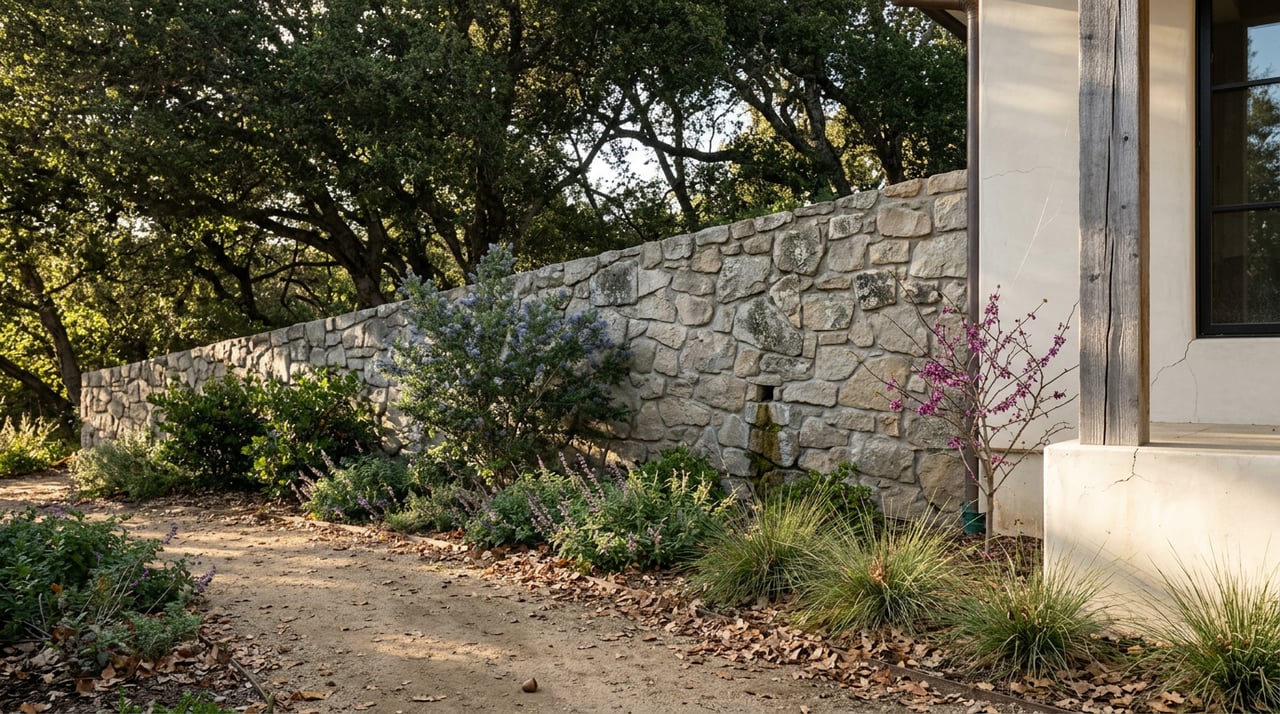
If you want quick access to nature, Sierra Madre stands out. The city maintains Bailey Canyon Wilderness Park, Memorial Park, Kersting Court, Mount Wilson Trail Park, Sierra Vista Park, and the Mount Wilson Trail. City parks are open daily from 6 a.m. to 10 p.m.
Bailey Canyon offers shorter nature trails along with a longer route toward Jones Peak. The Mount Wilson Trail leads toward Mount Wilson Observatory and is also tied to the second-oldest race in California.
That access shapes everyday living here. Even if you are not a serious hiker, being near trailheads, open space, and mountain views can change how a neighborhood feels from morning to evening.
Foothill Living Comes With Seasonal Realities
The same setting that makes Sierra Madre attractive also comes with practical tradeoffs. The city notes that some trails close during fire season, and its housing documents flag wildfire, flood, and landslide exposure in foothill and canyon areas.
That does not make Sierra Madre unusual for a foothill community, but it does mean you should understand the terrain and location-specific conditions when comparing homes. In hillside and canyon sections, those factors can affect both property characteristics and long-term planning.
Memorial Park Is a Civic Hub
In many communities, one central park becomes the place where local life happens. In Sierra Madre, Memorial Park plays that role.
The city’s parks plan says Memorial Park has hosted the Wistaria Festival, Easter Egg Hunt, Friends of the Library Art Fair, Fourth of July activities, and Summer Concerts in the Park. The city also currently runs Summer Fun in the Park there on Wednesday mornings for children ages 3 to 10.
Along with regular library, senior, and civic events shown on the city calendar, these activities suggest a town where public events remain a visible part of community life. If you enjoy a place where local traditions still matter, Sierra Madre offers that kind of atmosphere.
The Wistaria Festival Adds to Local Identity
Sierra Madre has a strong connection to the Wistaria Festival. The Chamber continues to promote the event, and the city’s historical material connects Sierra Madre to the world’s largest wistaria vine.
For residents, details like this can make a place feel more memorable and distinct. It gives the city a tradition that is specific to Sierra Madre, not just another generic community calendar item.
Housing in Sierra Madre Is Limited and Mostly Residential
Sierra Madre is overwhelmingly residential and largely built out. The city says residential land use accounts for about 80% of the land area, with low-density residential covering most of the city and only a small number of vacant parcels remaining.
That matters if you are house hunting here. In a built-out community, inventory can be limited, and each available home may feel more unique because there is not a large pipeline of new development.
Current Census Bureau data show an owner-occupied housing rate of 55.8% and a median value of $1,226,800 for owner-occupied housing units in 2020 through 2024. Together, those numbers point to a relatively high-cost market with constrained supply.
Neighborhood Character Can Change by Area
One of the more important things to understand about Sierra Madre is that the housing experience can vary depending on where you are. The city notes that higher-density housing tends to cluster near Baldwin Avenue, Sierra Madre Boulevard, and nearby streets around downtown.
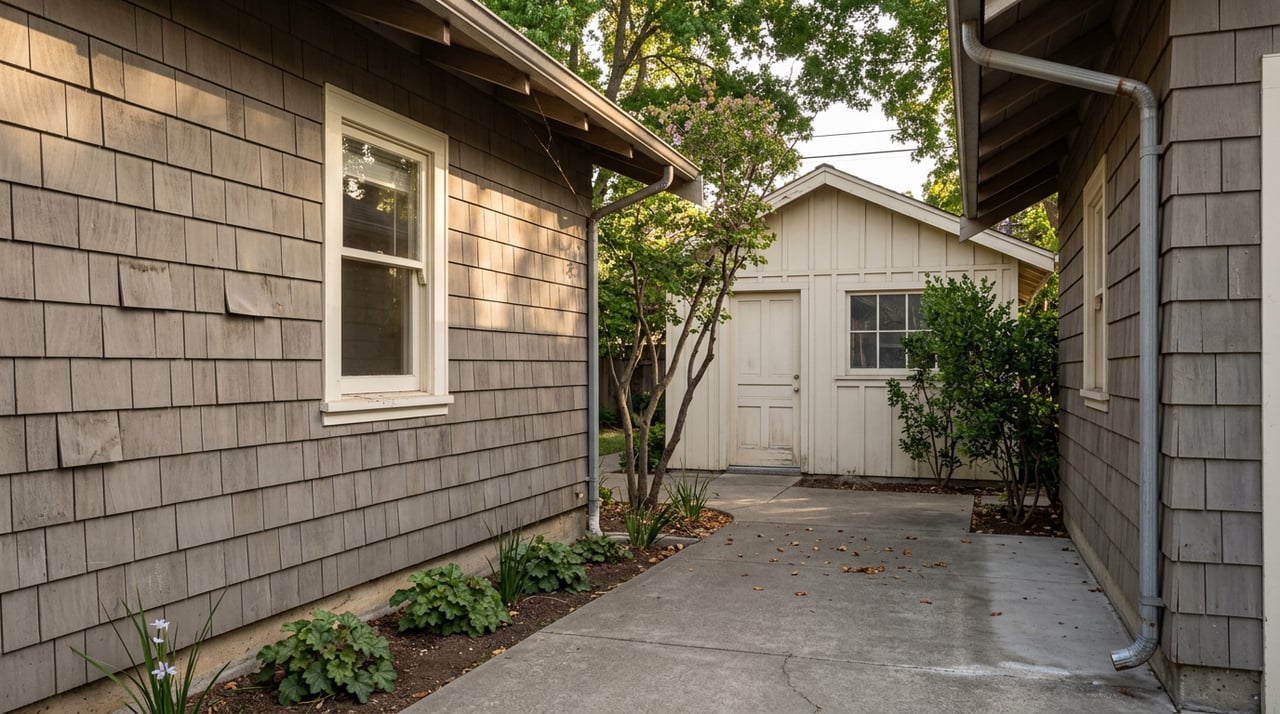
In the canyon area, the pattern is different. Those neighborhoods were originally developed for vacation homes in the 1920s and 1930s, so lots and structures tend to be smaller than average, with winding roads, smaller cabins or bungalows, trail entrances, and direct access to open space.
That variety is part of what makes Sierra Madre interesting. You are not looking at one uniform housing type across the whole city, so it helps to think carefully about what kind of setting fits your lifestyle.
Lot Sizes and Development Rules Vary
The city’s standards show that minimum parcel sizes vary sharply by zone. Some single-family zones have minimum parcel sizes of 7,500 square feet, while hillside zoning can require 2 acres.
Hillside neighborhoods also have separate development controls aimed at preserving character and safety, including slope-based limits and grading restrictions. If you are considering a hillside property or land parcel, those rules become an important part of the decision.
Who Sierra Madre May Be Right For
Sierra Madre may be a strong fit if you want a slower pace, easy access to trails, and a community anchored by parks, local businesses, and civic events. It can also appeal to buyers who like foothill settings and do not need a large, fast-moving urban core right outside their door.
At the same time, it helps to go in with realistic expectations. Inventory can be limited, housing costs are relatively high, and the foothill terrain adds considerations that may not come up in flatter neighborhoods nearby.
If that tradeoff sounds appealing, Sierra Madre can offer a very specific kind of lifestyle that is hard to replicate. It feels local, established, and tied to its natural setting in a way many buyers find compelling.
What Buyers Should Keep in Mind
If you are considering Sierra Madre, it helps to evaluate homes through both a lifestyle lens and a property lens. The charm is real, but so are the practical details that come with a built-out foothill community.
A few things to pay close attention to include:
- How close you want to be to downtown Sierra Madre
- Whether you prefer flatter streets or canyon and hillside surroundings
- Access to parks, trails, and everyday services
- Lot size, road layout, and neighborhood setting
- Any location-specific conditions tied to foothill terrain
- How comfortable you are with limited inventory and a competitive price point
For buyers relocating from outside the area, Sierra Madre often makes more sense once you see how its layout and pace differ from nearby communities. It is less about nonstop activity and more about daily livability.
If you are exploring Sierra Madre and want help understanding how its housing options, location, and foothill setting compare with nearby communities, connect with Kawika Hiroshige for thoughtful local guidance.
FAQs
What is daily life like in Sierra Madre?
- Daily life in Sierra Madre tends to feel calm and locally focused, with routines centered around downtown, parks, the library, civic programming, and neighborhood gathering spots rather than a nightlife-heavy scene.
What makes Sierra Madre different from nearby cities?
- Sierra Madre stands out for its compact size, foothill location, village-style downtown, trail access, and strong emphasis on preserving small-town character.
What types of homes are common in Sierra Madre?
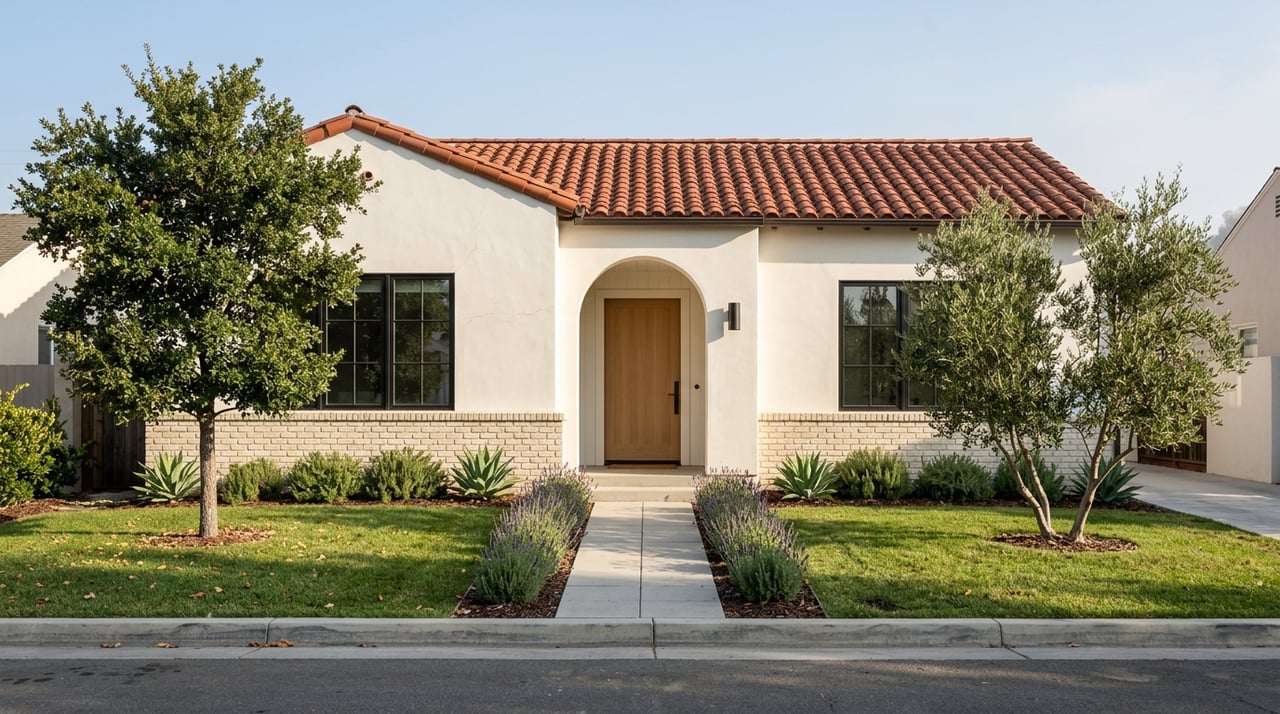
- Sierra Madre is mostly low-density residential, with a mix of single-family homes, some higher-density housing near downtown corridors, and smaller cabins or bungalows in certain canyon areas.
What should buyers know about Sierra Madre housing supply?
- Sierra Madre is largely built out, with only a small number of vacant parcels remaining, which can contribute to limited inventory and a relatively high-cost market.
What outdoor amenities are available in Sierra Madre?
- Sierra Madre offers access to Bailey Canyon Wilderness Park, Memorial Park, Kersting Court, Mount Wilson Trail Park, Sierra Vista Park, and the Mount Wilson Trail, with city parks open daily from 6 a.m. to 10 p.m.
What are important location factors in Sierra Madre’s foothill areas?
- In foothill, hillside, and canyon areas, buyers should pay attention to terrain, winding roads, lot differences, seasonal trail closures, and city-identified wildfire, flood, and landslide exposure considerations.