If you want a Los Angeles-area lifestyle that does not revolve around getting in the car for every errand, South Pasadena deserves a close look. This small San Gabriel Valley city blends regional rail access, a walkable commercial core, and a strong park network in a way that feels practical, not theoretical. If you are weighing whether South Pasadena can support more day-to-day living on foot, by transit, or by bike, this guide will help you understand what that really looks like. Let’s dive in.
Why South Pasadena Works for Car-Light Living
South Pasadena is compact, and that matters. The city has about 25,000 residents within just 3.44 square miles, which helps keep many daily destinations relatively close together.
That smaller footprint supports a neighborhood feel that many buyers are looking for when they say they want convenience. The city also notes more than 21,000 street trees and more than 100 acres of parks and playgrounds, which adds comfort and visual appeal to everyday trips.
Transit Options in South Pasadena
For regional travel, Metro’s A Line is the backbone. Metro describes the line as running from Long Beach through downtown Los Angeles and onward to Azusa, giving South Pasadena residents a direct rail connection to major job, dining, and entertainment areas.
The city’s transit information also points to Metro buses, Dial-A-Ride, bicycling, and parking services as part of the local mobility picture. In other words, South Pasadena is not just a one-stop rail town. It has several ways to piece together daily movement depending on where you need to go.
The A Line Shapes Daily Access
The South Pasadena Metro station plays an outsized role in how people use the city. The Mission-Meridian Village garage next to the station serves local patrons and commuters, which supports both downtown visits and longer regional trips.
This is also why the city’s planning framework puts so much emphasis on transit access. South Pasadena’s Downtown Specific Plan treats transit as a central organizing feature for future residential and mixed-use development, reinforcing the idea that living near the station can support a less car-dependent routine.
Transit Is Best for Select Trips
Car-light does not always mean car-free. In South Pasadena, transit is especially useful for commuting, downtown Los Angeles trips, and outings along the A Line corridor.
For many households, the practical sweet spot may be owning fewer cars or simply driving less often. That distinction matters if you want realistic expectations when comparing South Pasadena with other nearby communities.
Mission Street Makes Errands Easier
A car-light lifestyle works best when daily errands cluster in one place. In South Pasadena, that place is the downtown Mission Street corridor.
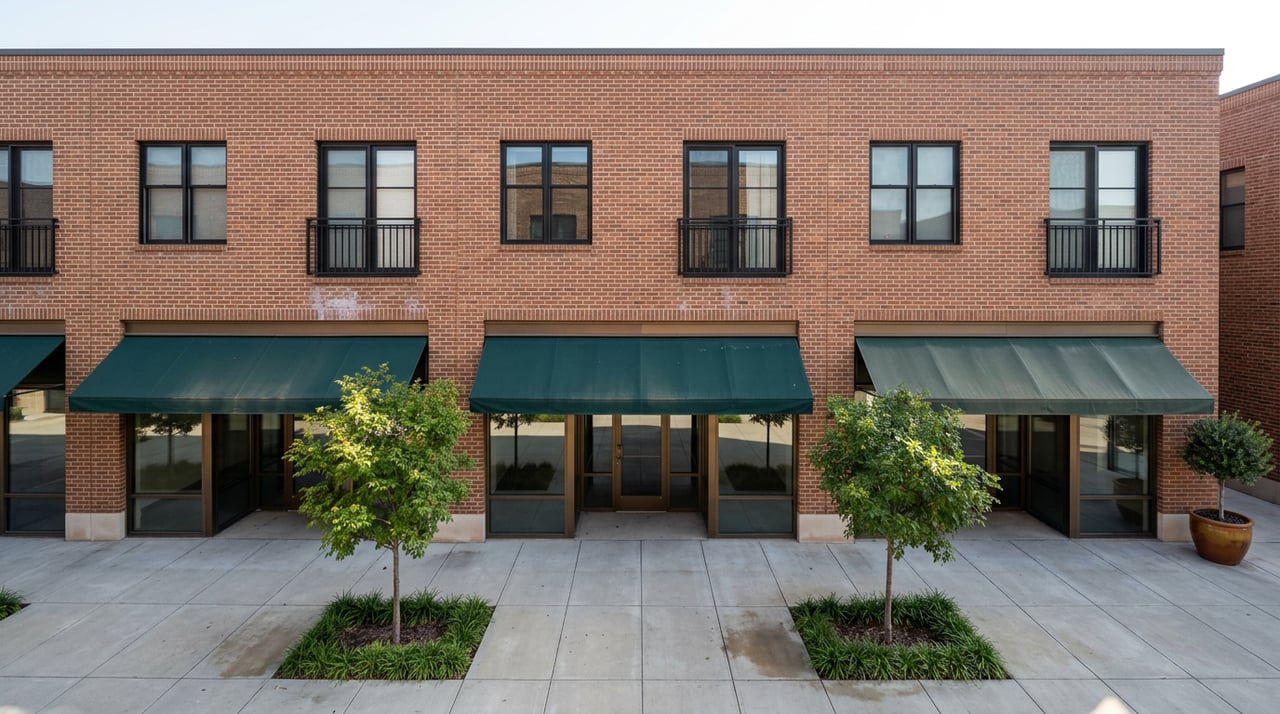
City planning materials describe Mission Street as a pedestrian-oriented historic shopping district with a mix of retail and restaurant uses. That concentration helps turn routine needs like grabbing coffee, meeting friends, picking up basics, or browsing local shops into a walkable outing instead of a separate drive.
Downtown Has Everyday Energy
The city continues to reinforce downtown as a local destination. The 2026 Arts & Music Crawl ran along Mission Street from Fair Oaks to Meridian and featured local shops, restaurants, art, and music.
That kind of programming matters because it reflects how the district functions in real life. It is not just a collection of storefronts. It is a civic and social hub that supports regular foot traffic.
The Farmers Market Adds Convenience
South Pasadena’s weekly farmers market operates on Thursdays near the Metro A Line station. City policy identifies it as a key food-access hub, which makes it especially relevant for residents trying to combine errands with walking or transit.
For some buyers, this kind of setup can be a major quality-of-life benefit. You can pair a market stop with a train trip, a downtown meal, or a short walk through the surrounding area.
Parks Support Daily Life
A car-light lifestyle is not only about commuting and errands. It also depends on having nearby places to spend time outdoors, exercise, relax, and connect with the community.
South Pasadena stands out here. The city’s parks directory lists 92.2 acres of parks, including 73.9 acres in Arroyo Seco Park, plus major community spaces such as Garfield Park, Library Park, Orange Grove Park, Eddie Park, and War Memorial Park.
Key Parks to Know
Different parks support different routines, which is useful if you want recreation close to home.
- Garfield Park hosts concerts and active recreation.
- Library Park is a landscaped park surrounding the public library.
- Orange Grove Park includes fields, tennis courts, and a recreation building at Mission and Orange Grove.
- Arroyo Woodland & Wildlife Nature Park offers trails among native California walnut trees.
- The community garden includes 42 beds for residents.
When these amenities are woven into daily life, they make it easier to choose a walk, bike ride, or short outing over a longer drive. That can be a meaningful part of why South Pasadena feels livable on a local scale.
What Homes Support This Lifestyle?
South Pasadena offers more than one housing type, which is important if you are trying to match budget and lifestyle. Census Reporter’s 2024 ACS profile shows 10,817 housing units, with 52% in single-unit structures.
That means detached homes are a major part of the housing stock, but not the only option. The remaining mix suggests a meaningful presence of multi-unit housing and condos, which may appeal to buyers who prioritize location, lower maintenance, or proximity to downtown and transit.
Price Matters in South Pasadena
Convenience comes at a premium here. Census Reporter places the median value of owner-occupied housing at $1.64 million, while QuickFacts lists the median gross rent at $2,284.
Recent resale data points to the same pattern. Redfin’s June 2026 snapshot reports a median sale price of $1,918,852, average market time of 26 days, about two offers on average, and a 108.8% sale-to-list ratio.
For buyers, that means South Pasadena’s car-light appeal is tied to a high-demand, upper-price market. It is not typically an entry-level choice, so it helps to plan around both your housing goals and your preferred level of walkability or transit access.
Who May Like South Pasadena Most?
South Pasadena can be especially appealing if you value a compact setting with a visible downtown, rail access, and a strong park system. It may also fit if you want to reduce how often you drive without giving up access to greater Los Angeles.
This setup can work well for buyers who want a condo or house near daily conveniences, relocating buyers who want a clearer neighborhood center, or households trying to simplify one part of their weekly routine. The right fit often depends on how often you need regional access versus how much you value local walkability.
What to Think About Before You Buy
Before you focus only on charm, think through how you actually live. If car-light living is important to you, pay attention to distance from the Metro station, access to Mission Street, nearby park options, and the housing type that best supports your routine.
You should also compare tradeoffs honestly. A home farther from downtown may offer different space or layout benefits, while a home closer to transit and shops may better support the lifestyle you want day to day.
South Pasadena in One Sentence
South Pasadena offers one of the more realistic car-light lifestyles in the San Gabriel Valley because it combines a compact footprint, A Line access, a walkable Mission Street core, and a deep bench of parks. The challenge is that this convenience sits inside a competitive and expensive housing market.
If you are trying to decide whether South Pasadena fits your budget, commute, and lifestyle goals, local guidance can make the search much more efficient. If you want help comparing homes, condos, and location tradeoffs in South Pasadena and nearby communities, reach out to Kawika Hiroshige.
FAQs
Is South Pasadena good for car-light living in Los Angeles County?
- Yes. South Pasadena’s compact 3.44-square-mile footprint, Metro A Line access, walkable Mission Street corridor, and broad park network make it one of the more practical car-light options in the area.
Does South Pasadena have train access for commuting?
- Yes. Metro’s A Line serves South Pasadena and connects Long Beach, downtown Los Angeles, and Azusa, making rail a useful option for many regional trips.
What part of South Pasadena is most walkable for errands?
- The downtown Mission Street corridor is the main pedestrian-oriented area, with a mix of retail, restaurants, and community activity.
Are there parks near daily destinations in South Pasadena?
- Yes. The city has 92.2 acres of parks, including Arroyo Seco Park, Garfield Park, Library Park, Orange Grove Park, and other community spaces that support everyday outdoor use.
Is South Pasadena affordable for buyers seeking a car-light lifestyle?
- South Pasadena is generally expensive. Reported figures include a median owner-occupied home value of $1.64 million and a June 2026 median sale price of $1,918,852, so buyers should expect a premium for the location and convenience.