If you are shopping for a home in San Marino, square footage only tells part of the story. In a city where most homes are detached single-family residences and much of the housing stock was built before 1970, style and era can shape everything from daily layout to long-term upkeep. Understanding the difference can help you buy with more confidence and fewer surprises. Let’s dive in.
San Marino Home Styles Start With Context
San Marino has a very specific housing profile. According to SCAG's local profile, detached single-family homes made up 98.8% of the housing stock in 2018, while attached homes and multifamily properties together made up just 1.2%.
That means your baseline expectation in San Marino is still classic one-house-one-lot living. Census QuickFacts also reports an owner-occupied rate of 82.7% for 2019 through 2023, which supports the city's long-standing identity as a primarily owner-occupied residential community.
The city’s historic context statement describes San Marino as almost exclusively residential, with detached homes, mature street trees, and very limited commercial activity. For buyers, that creates a distinct feel. You are not comparing San Marino to a newer suburban market with broad tract development or a mix of housing types.
Why Era Matters More Than Size
In San Marino, the age of a home often tells you as much as the floor plan. SCAG's profile says 88.9% of the housing stock was built before 1970, so many buyers will be looking at properties with older construction, layered renovations, or preservation-sensitive features.
A 3,000-square-foot home from the 1920s can live very differently from a 3,000-square-foot home rebuilt or expanded decades later. The architecture, rooflines, windows, lot design, and approval process for future changes can all affect your experience as an owner.
That is why the most useful comparison is usually era plus lot type, not just bedroom count or square footage. Once you look at homes through that lens, San Marino’s inventory becomes easier to understand.
Period Revival Homes Offer Character
Many of San Marino’s best-known older homes were built during the 1920s and early 1930s. The city’s historic context statement says the overwhelming majority of single-family residences from that period reflected Period Revival designs.
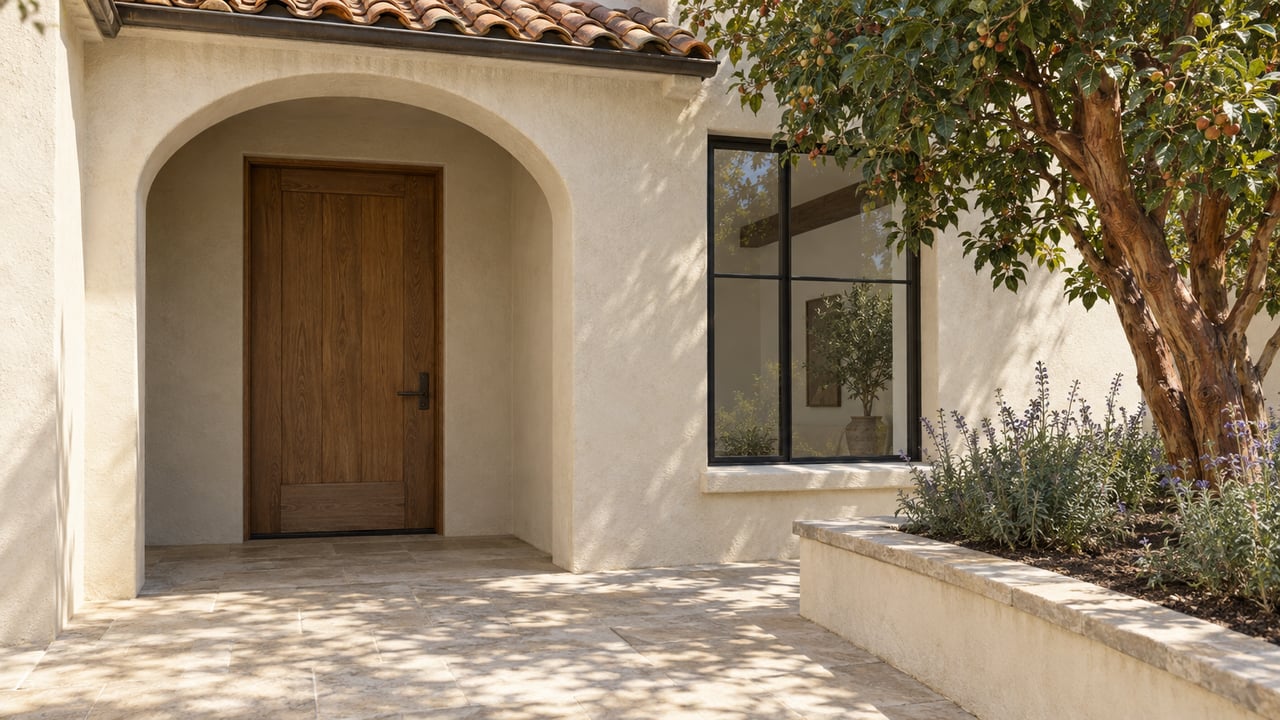
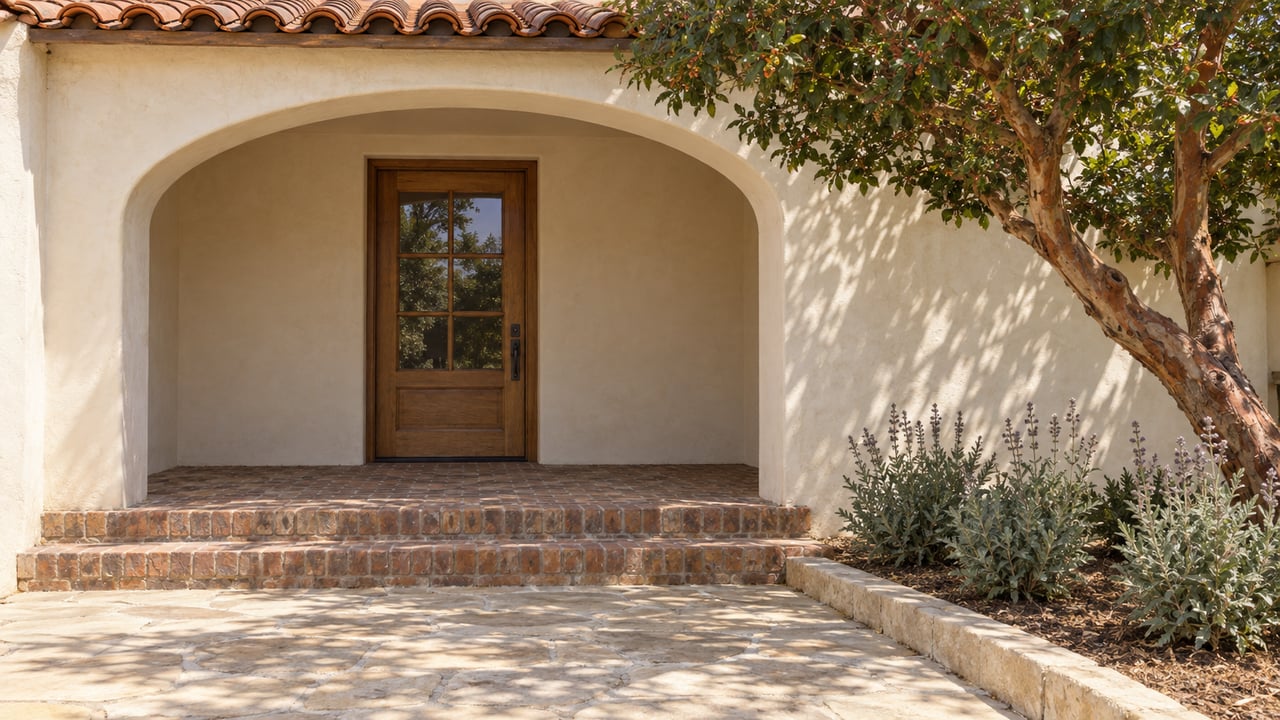
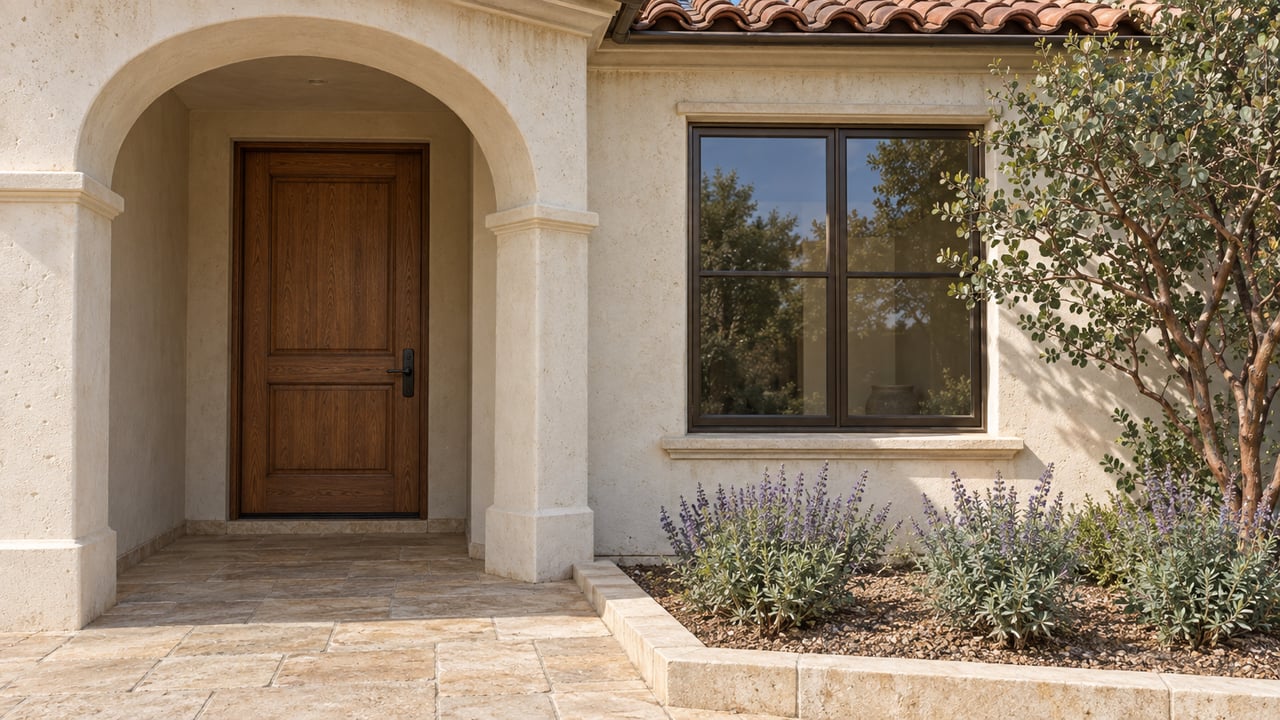
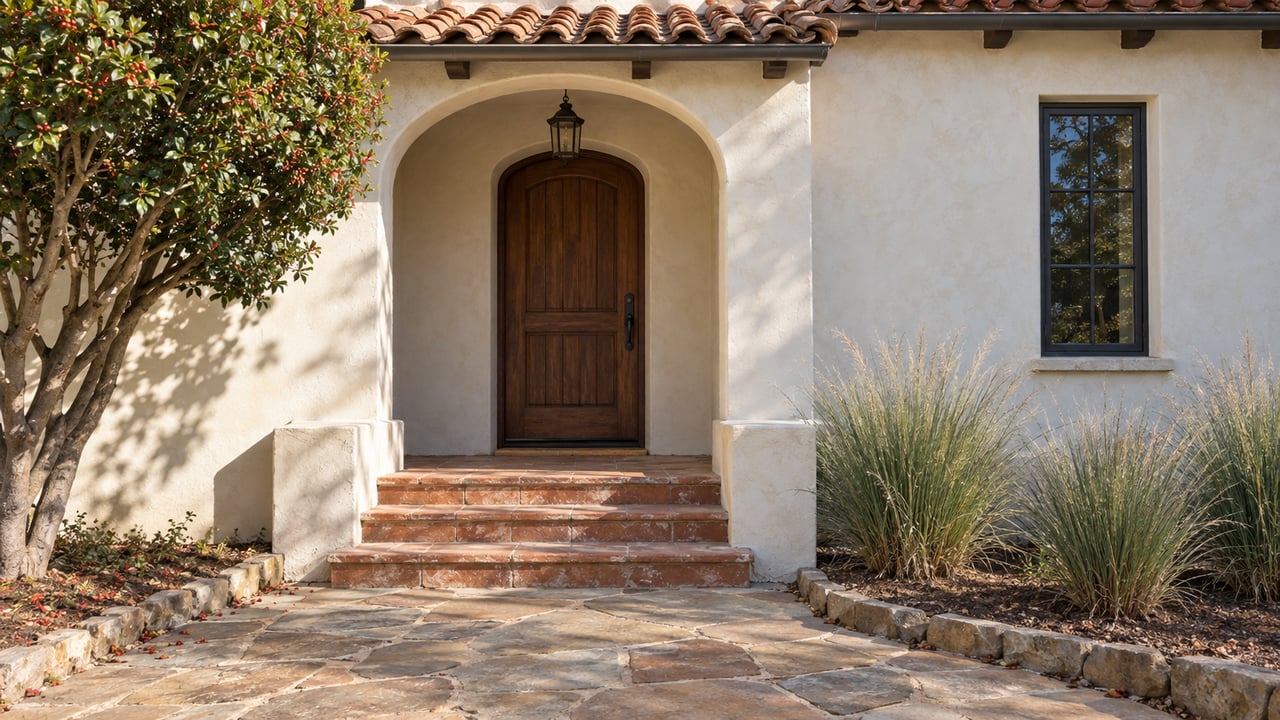
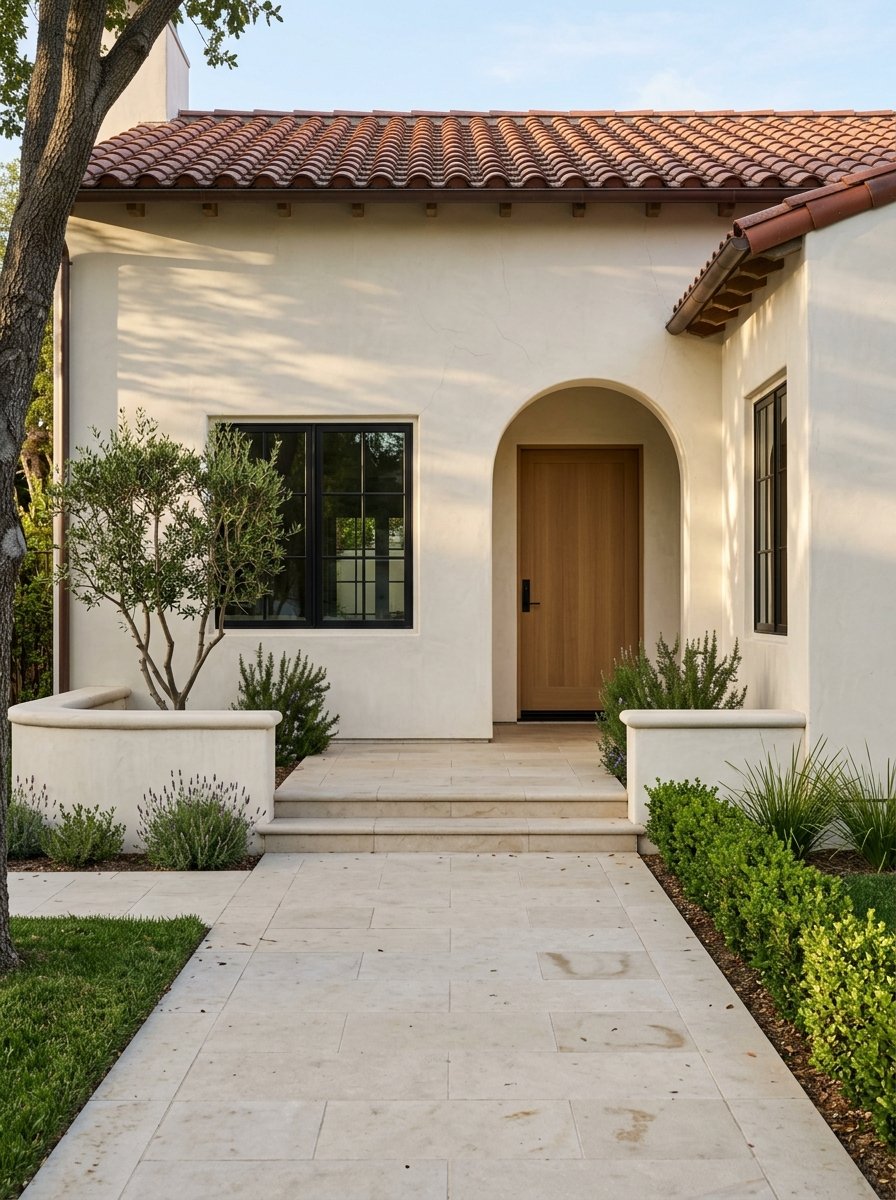
You will commonly see style families such as Spanish Colonial Revival, Tudor Revival, Colonial Revival, and French Revival. These homes often have strong architectural identity, detailed exteriors, and a sense of craftsmanship that stands out immediately.
For many buyers, this is the emotional heart of San Marino. If you want a home with presence, formal rooms, distinctive materials, and a clear architectural story, this is often where you start.
What Period Revival Living Feels Like
These homes were often designed with more formal and compartmentalized layouts than later postwar homes. You may find defined entry spaces, separated living and dining rooms, and rooms that feel more intentional than open.
That can be a major plus if you value traditional floor plans and architectural detail. It can also feel less casual if you are hoping for a wide-open, highly modern layout.
What Buyers Should Budget For
Character usually comes with complexity. Based on the style features described in the city’s historic context statement, Period Revival homes often include steep roofs, stucco or masonry exteriors, arches, decorative half-timbering, courtyards, and more intricate massing.
In practical terms, that often means more specialized upkeep and repairs that need to respect the home’s original design. Roof work, exterior finishes, windows, and decorative details can all be more involved than they would be on a simpler postwar house.
Ranch Homes Offer Simpler Flow
After World War II, San Marino’s residential growth shifted toward smaller-scale Ranch and Minimal Traditional homes, along with scattered custom modern homes. The historic context statement notes that San Marino was already close to built out by the early 1960s, so this later chapter was more about infill, replacement, and small subdivisions than broad new development.
Ranch homes are typically one-story with horizontal lines, low-pitched roofs, picture windows, and attached garages. Many also have a more relaxed connection between indoor and outdoor spaces.
For buyers who want easier circulation and a more casual layout, Ranch homes can be appealing. They often feel less formal than Period Revival homes and may align better with how many people live today.
What Ranch Buyers Should Watch
A simpler exterior does not always mean zero maintenance. Older Ranch homes may still have aging roofs, windows, systems, or foundations that deserve careful review during inspections.
The main difference is where your maintenance dollars may go. Instead of ornate exterior details, spending may be more concentrated in systems, rooflines, glazing, and updates to bring the home in line with current preferences.
Mid-Century Homes Bring Modern Design
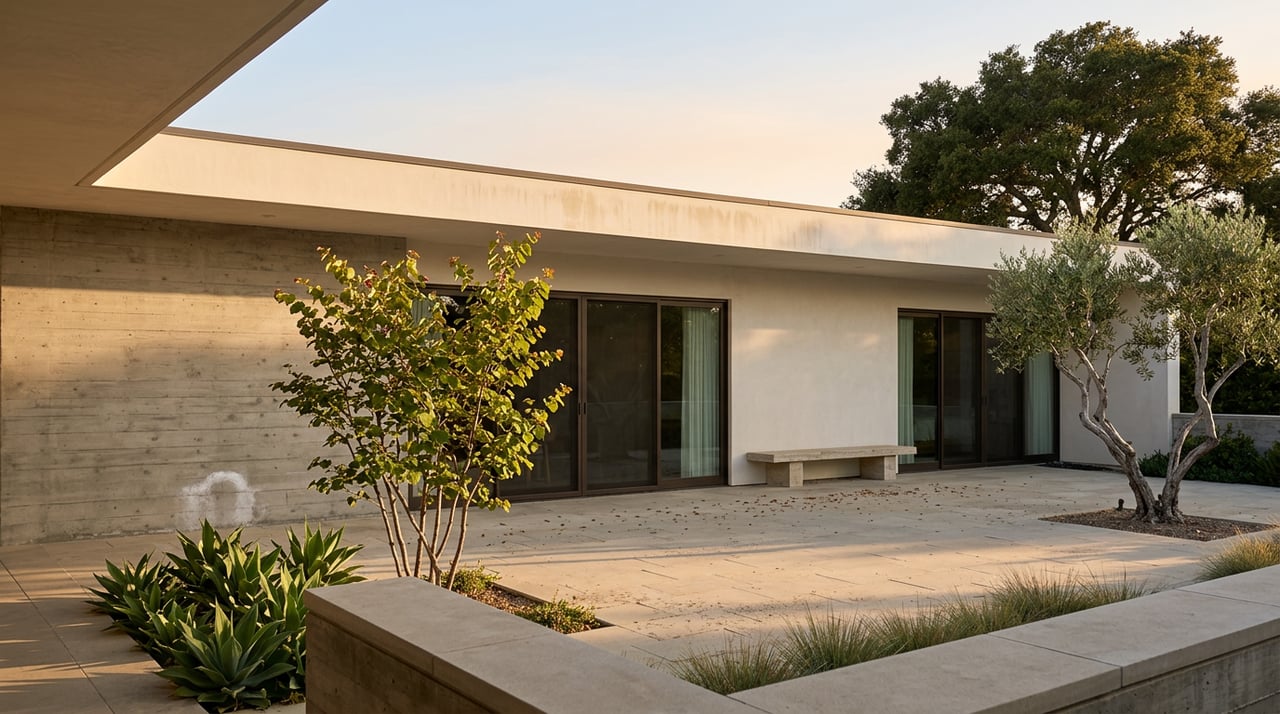
San Marino also includes custom Mid-Century Modern and Late Modern homes scattered throughout the city. These homes typically feature horizontal massing, large windows, open floor plans, minimal ornament, and standardized materials.
If you are drawn to clean lines and a stronger indoor-outdoor relationship, Mid-Century homes can offer a very different experience from a 1920s Revival home. The layout may feel more open, more light-filled, and more connected to the lot.
For some buyers, that design language is the perfect middle ground. You still get architectural identity, but with a more modern style of living.
Mid-Century Maintenance Has Its Own Tradeoffs
With Mid-Century homes, the maintenance profile often shifts rather than disappears. Based on the style features and era discussed in the historic context statement, buyers may want to pay close attention to glazing, rooflines, original systems, and possible slab or post-and-beam issues.
That does not make these homes less desirable. It just means your inspection strategy should match the architecture.
Newer-Looking Homes Are Often Rebuilds
Because truly new construction is limited in San Marino, a newer-looking home is often not part of a large new subdivision. The city’s historic context statement notes that later development included replacement buildings and small subdivisions, rather than broad speculative tract development.
For buyers, that means a newer finish package does not always equal a simple ownership story. A house may be a rebuild, a major expansion of an older residence, or part of a very limited custom development pattern.
This can be a plus if you want updated space in a city known for older housing stock. It also means each property deserves a closer look at lot improvements, approval history, and how the home fits into its setting.
Lots Matter As Much As Houses
In San Marino, the lot is often part of the value equation, not just the structure. The city’s historic context statement notes that curving streets are common in 1920s subdivisions, and lots on the north side near the Huntington estate tended to be larger because of higher elevations and more expensive development.
The same document also points to features such as retaining walls, walkways, driveways, gates, pool houses, and estate grounds as part of San Marino’s residential resources. That means buyers should evaluate the site as carefully as the home itself.
A beautifully designed lot can add privacy, visual appeal, and enjoyment. It can also increase upkeep, irrigation demands, hardscape maintenance, and future project costs.
Zoning Can Affect Your Plans
San Marino’s R-1 zoning still centers single-family use, though it also allows accessory dwelling units and some two-unit residential development. So while most buyers will still be purchasing a traditional detached home on its own lot, a small number of properties may carry more complexity.
The city also regulates lot coverage and livable area by area district. For example, districts IE and I are capped at 30 percent lot coverage, while districts V through VII are capped at 40 percent.
That matters if you are thinking ahead to additions, exterior changes, or lot reconfiguration. In San Marino, expansion potential is not something to assume. It needs to be reviewed property by property.
Design Review Can Shape Your Budget
San Marino has an active preservation and design-review framework. The municipal code states that no person may alter, restore, rehabilitate, construct, remove, relocate, or demolish a designated historic landmark without first receiving a Certificate of Appropriateness or Certificate of Economic Hardship.
Ordinary maintenance and repair that do not change design, material, or external appearance are allowed. But for larger exterior changes, additions, and rebuilds, buyers should expect a more approval-heavy process than in many other markets.
The current design-review code also requires plot plans to show features such as trees, driveways, walkways, walls, fences, gates, and front-yard impervious coverage. In other words, landscape and hardscape are not side issues here. They are often part of the ownership and planning equation.
How Buyers Can Compare Home Styles
If you are narrowing your options in San Marino, it helps to compare homes using a practical framework:
- Period Revival if you want architectural character, formal spaces, and historic style
- Ranch if you want easier flow, more casual living, and often one-story design
- Mid-Century if you want cleaner lines, bigger glass, and a more modern layout
- Rebuilt or expanded homes if you want updated finishes and newer-feeling space, while understanding inventory is limited
Then look beyond the style itself:
- Evaluate the lot size and shape
- Review landscape and hardscape upkeep
- Ask how the home’s era affects repairs and systems
- Consider whether future changes may require a more involved approval process
That approach usually gives you a clearer picture than comparing list photos alone.
The Bottom Line For San Marino Buyers
In San Marino, home style is not just about appearance. It often shapes how a home lives, what it may cost to maintain, and how flexible it will be if you want to make changes later.
If you love traditional architecture, Period Revival homes may offer the strongest sense of place. If you want simpler day-to-day living, Ranch and Mid-Century homes may fit better. If you want turn-key space, be prepared for limited supply and a market where newer homes are often carefully curated rebuilds or expansions.
The right fit comes from matching the house and the lot to your goals, not just your wish list. If you want help sorting through San Marino inventory with a local, thoughtful approach, reach out to Kawika Hiroshige.
FAQs
What is the most common home type in San Marino?
- Detached single-family homes are by far the most common, making up 98.8% of the housing stock in SCAG’s 2018 local profile.
What do Period Revival homes in San Marino usually include?
- Period Revival homes in San Marino often include styles such as Spanish Colonial Revival, Tudor Revival, Colonial Revival, and French Revival, with detailed exteriors and more formal layouts.
What should buyers know about Ranch homes in San Marino?
- Ranch homes in San Marino are typically one-story, more horizontal in design, and often offer simpler circulation and a more casual indoor-outdoor feel than older traditional homes.
Are Mid-Century homes in San Marino common?
- Mid-Century Modern and Late Modern homes are present in San Marino, but they are generally scattered custom homes rather than part of large modern subdivisions.
Are newer homes easy to find in San Marino?
- Truly new construction is limited in San Marino, so newer-looking homes are often rebuilds, expanded older homes, or part of small custom development patterns.
Do San Marino buyers need to think about design review?
- Yes. San Marino has active preservation and design-review rules, so additions, exterior changes, rebuilds, and work on designated historic landmarks may require formal city approvals.