Thinking about loft or live-work living in Downtown Pasadena? You are not just choosing a floor plan. You are choosing a more urban, flexible way to live in one of Pasadena’s most intentionally mixed-use areas. If you want to understand what makes these homes different, what to watch for, and how Downtown Pasadena fits your day-to-day life, this guide will help you sort through the details. Let’s dive in.
Why Downtown Pasadena Feels Different
Downtown Pasadena is not simply a cluster of condos near shops and restaurants. The city’s Central District Specific Plan is designed around a true mixed-use vision, where people can work, shop, live, and get around by foot, bike, transit, or car.
That planning matters when you are searching for a loft or live-work property. In much of the Central District, housing is allowed, and the plan specifically recognizes vertical mixed-use, loft, and work-live housing as appropriate forms. In other words, this kind of living is not an afterthought here. It is part of the district’s long-term design.
The area also benefits from strong transit access. Pasadena has six Metro A Line stations, and riders can reach Downtown Los Angeles in about 20 minutes. For buyers who want an urban lifestyle with regional access, that can be a meaningful advantage.
What a Loft Means Here
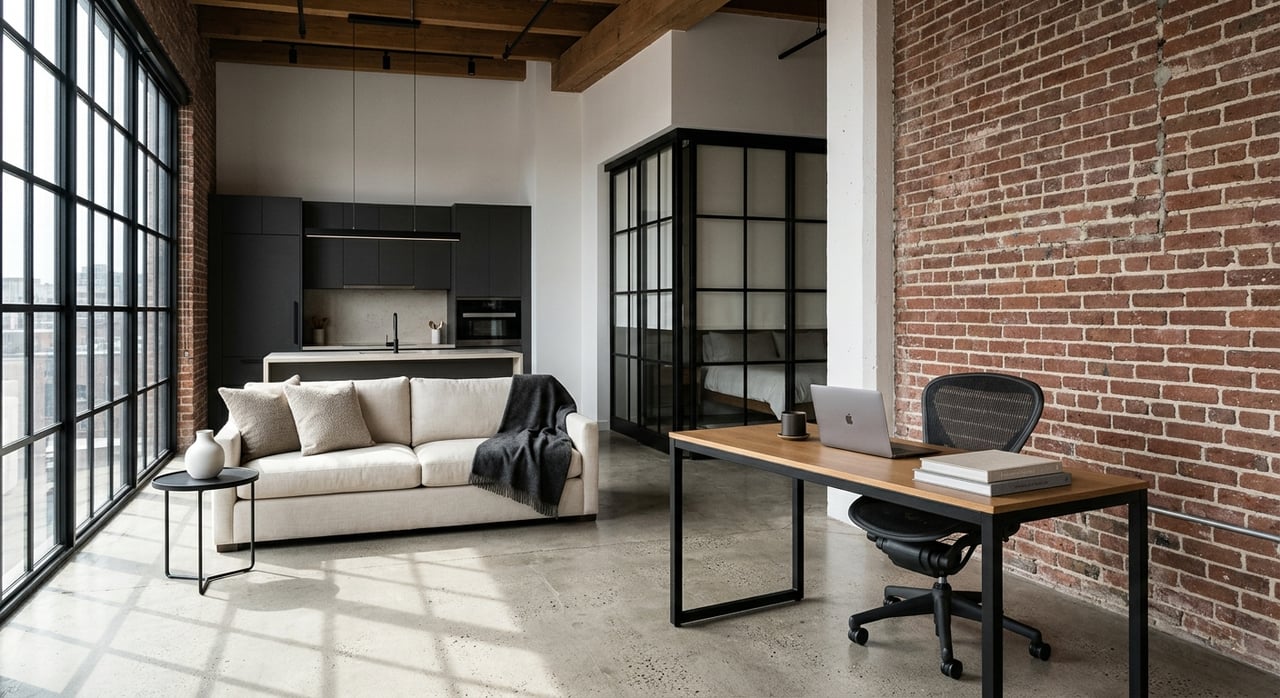
The word “loft” can describe a look, but it does not always describe a legal use. You may see open ceilings, large windows, concrete floors, or industrial-style finishes, but that does not automatically tell you how the property is classified.
In California, ownership type and use are defined by law and governing documents, not by architecture alone. A home that looks like a loft may still be a condominium, co-op, or another common-interest ownership type. That is why it is important to separate style from legal structure when you are evaluating a property.
For you as a buyer, the practical takeaway is simple. A loft-style interior may offer the aesthetic and openness you want, but you should still verify exactly what you are buying.
What Live-Work Means in Pasadena
Live-work homes are even more specific. In Pasadena, work/live standards are clearly defined in the city code, which makes this category more structured than many buyers expect.
According to the city’s standards, a work/live unit must have at least 1,250 square feet. The residential portion is capped at 30 percent of the unit or 400 square feet, whichever is less. For ground-floor street-facing units, the first 25 feet of depth must be devoted to commercial activity.
The code also requires direct access between the work and living areas. It does not allow a separate entrance to the living space, and it does not allow the work and living portions to be leased separately.
That means a true live-work property in Downtown Pasadena is not the same thing as a condo with a home office. The city intends these units for artisans, artists, and similar professions, and the rules are designed to preserve a real working component within the space.
Why Verification Matters Before You Buy
This is where many buyers need to slow down. A listing may highlight flexibility, open space, or creative use, but you should not assume the property is a legal live-work unit unless that use is confirmed.
You will want to verify the property’s actual designation, review governing documents, and understand any restrictions tied to occupancy or use. That step can protect you from buying a home that looks adaptable but does not match your intended lifestyle or work needs.
If you are relocating or buying your first Pasadena condo, this is especially important. Clear answers upfront can save time, money, and stress later.
How to Evaluate the Floor Plan
In a traditional condo, the main question is often whether the space feels comfortable enough for daily living. In a live-work or loft purchase, the layout usually matters even more.
Pasadena’s code is built around a primary work area with a smaller residential component. Because of that, you should look closely at how the unit separates work, sleep, storage, and everyday living.
A good floor plan often includes:
- Clear distinction between work and rest zones
- Enough storage to keep the space functional
- Practical room for remote work or client-facing activity
- A layout that feels intentional rather than improvised
Open space can be appealing, but not every open layout functions well. The best lofts balance flexibility with enough structure to support real daily routines.
Light, Noise, and Street Exposure
One of the biggest tradeoffs in Downtown Pasadena living is exposure to active streets. The Central District plan identifies Colorado Boulevard and Lake Avenue as key commercial corridors, and it also notes that high traffic volumes along some corridors can make housing less compatible in certain locations.
For you, that can mean a street-facing unit may offer convenience, visibility, and energy, but also more noise and less privacy. This is not a formal acoustic finding, but it is a useful planning-based clue when comparing one block or building to another.
Natural light also plays a major role in how a loft feels. Large windows and street orientation can create bright, dynamic interiors, but your comfort level may depend on how much activity you want right outside your windows.
Parking Deserves Extra Attention
Parking is a major quality-of-life issue in Downtown Pasadena. The city prohibits street parking between 2 a.m. and 6 a.m. unless posted otherwise, and it operates metered parking in several central districts, including Old Pasadena, Civic Center, South Lake, Playhouse, and West Gateway.
That means you should not treat parking as a minor detail. In a loft or live-work search, it is worth confirming whether the unit includes assigned parking, guest parking, or easy access to public parking options.
The Central District plan encourages subterranean parking and tries to keep parking structures from dominating major street fronts. That supports a more pedestrian-friendly environment, but it also means your everyday parking setup may depend heavily on the building you choose.
HOA Rules Can Shape Daily Life
If you are buying a downtown loft or condo, the homeowners association is a major part of the decision. In California common-interest developments, association membership is automatic, and the HOA’s governing documents help define how the property is managed.
You should review the CC&Rs, bylaws, budget, and reserve information before buying. These documents can affect assessments, insurance responsibilities, architectural controls, and future costs.
They can also shape very practical parts of daily life. HOA rules may cover parking, balcony or deck use, noise concerns, and pet-related issues. In a loft setting, where open layouts and shared walls are common, those details matter.
Be Cautious With Converted Buildings
Some loft buyers are drawn to converted properties because they can offer unique architecture and a more distinctive feel. That appeal is real, but these buildings often deserve more scrutiny.
The California Department of Real Estate warns that reserve estimates in converted properties may not fully capture future maintenance needs. Once the developer is no longer subsidizing the project, owners can face higher repair costs or special assessments.
That does not mean you should avoid conversions. It means you should evaluate the building’s financial health and maintenance outlook with extra care.
How Downtown Submarkets Compare
Downtown Pasadena is not one single experience. Several nearby submarkets offer different versions of urban living, which can help you narrow your search.
Old Pasadena
Old Pasadena is the most historic and street-active nearby submarket. It spans 22 blocks and includes more than 200 retail stores, galleries, boutiques, theaters, and restaurants.
If you want the strongest urban energy, this area often delivers it. You may also need to be more comfortable with activity, foot traffic, and the pace that comes with a lively district.
Playhouse Village
Playhouse Village blends arts, theater, literature, and retail with a strong architectural identity. The district is anchored by the Pasadena Playhouse and other independent cultural institutions.
For buyers who want a creative, centrally located environment, this area offers a distinct feel. It can be a strong fit if you value culture and walkability as part of your everyday routine.
South Lake Avenue
South Lake Avenue is a 10-block, tree-lined district known for boutiques, designer stores, and eateries. It has a more polished retail presence than some of the more historic downtown pockets.
If you want urban convenience in a corridor that feels more retail and business oriented, South Lake may be worth a closer look. Your experience here can feel different from the heavier tourist and nightlife energy of Old Pasadena.
Civic Center and The Paseo
Civic Center and The Paseo highlight amenity-rich mixed-use living. The Paseo includes retailers, restaurants, a concert venue, a movie theater, a gym, a hotel, and trendy lofts, along with subterranean self-parking garages.
If you like the idea of having daily conveniences close at hand, this part of downtown can be especially appealing. It is a strong example of the lifestyle side of loft living.
Who Loft or Live-Work Living Fits Best
Downtown Pasadena loft and live-work homes are often best for buyers who care as much about lifestyle as square footage. You may be a strong fit if you want walkability, open space, transit access, and a more flexible urban setup.
These homes can also appeal to remote workers, creatives, and relocating buyers who want a central location with easier regional access. At the same time, they usually require more attention to HOA rules, parking logistics, and possible noise tradeoffs than a more conventional condo.
That does not make them harder to love. It just means the right fit depends on how you live day to day.
How to Shop Smarter in Downtown Pasadena
If you are serious about buying a loft or live-work property, focus on the details that affect real use. Style matters, but function matters more.
As you compare options, keep this checklist in mind:
- Verify whether the property is loft-style, true live-work, or a standard condo
- Review the floor plan for real separation and storage
- Check the unit’s street exposure for light and noise tradeoffs
- Confirm parking arrangements and guest parking rules
- Read HOA documents carefully, including reserves and assessments
- Use extra caution with converted buildings
- Compare submarkets based on your daily routine, not just aesthetics
In Downtown Pasadena, the best purchase is usually the one that matches your habits as closely as your taste.
If you want help sorting through condo, loft, or live-work options in Pasadena, Kawika Hiroshige can help you narrow the search, review the details, and buy with confidence.
FAQs
What is the difference between a loft and a live-work unit in Downtown Pasadena?
- A loft usually describes the style or layout of a home, while a live-work unit has a specific legal use under Pasadena’s code with rules about size, residential area, and commercial activity.
What should buyers review before purchasing a Downtown Pasadena loft?
- You should review the property’s legal designation, floor plan, HOA documents, parking setup, reserve funding, and any rules that affect daily use of the unit.
Are all loft-style homes in Pasadena legal live-work properties?
- No. A home can look like a loft without being a legal live-work unit, so buyers should verify the actual use designation and governing documents.
How does parking work for Downtown Pasadena condo and loft owners?
- Parking varies by building, and it deserves close review because Pasadena restricts overnight street parking from 2 a.m. to 6 a.m. unless posted otherwise, while many downtown areas also use metered parking.
Which Downtown Pasadena areas feel most urban for loft buyers?
- Old Pasadena generally offers the most street activity, while Playhouse Village, South Lake Avenue, and Civic Center or The Paseo each offer different mixes of culture, retail, and mixed-use convenience.