What if the thing standing between your listing and a closed escrow has nothing to do with how well you've kept up the house?
That is the part of Pasadena's presale certificate program that catches sellers off guard. Most people assume a presale inspection is about condition: does the roof leak, does the wiring work, is the water heater strapped. Pasadena's version asks a different question first. It asks whether your house matches its own paperwork. A home that has been lovingly maintained for thirty years can fail that test. A home in rougher shape can pass it. The gate is administrative before it is physical, and almost nobody finds that out until they are already in escrow.
The rule hiding in plain sight
Under Ordinance No. 7337 and Pasadena Municipal Code Section 14.17, the owner of any single family house, condominium, townhouse or duplex in Pasadena must obtain a Presale Certificate of Completion or a Presale Certificate of Inspection before escrow can close. The city calls this the Presale Self-Certification Program, and it replaced the old Occupancy Inspection Program that had been sending city inspectors into every home sale since the early 1970s. The council approved the current version on January 28, 2019, and the self-certification option went live that April, built specifically to cut delays for sellers whose homes were in good shape and didn't need a full city walkthrough.
That history matters because it explains the split you're about to navigate. The old system treated every sale the same: an inspector, a checklist, a wait. The new system tries to sort sellers into a fast lane and a slow lane before anyone shows up with a clipboard. The sorting happens on paper, using records the city already has on file. And that's where the surprises live.
Two paths, one gate
| Presale Certificate of Completion | Presale Certificate of Inspection | |
|---|---|---|
| Who reviews it | You self-certify online | A city inspector visits the property |
| Speed | Fastest, often same-day online or over the counter | Requires scheduling and a completed visit |
| What happens if something's off | You're not eligible for this path at all | You get a housing inspection report listing deficiencies |
| Your options after that | Not applicable | Fix and re-inspect (fee applies), or a Transfer of Responsibility |
The self-certification path exists for homes that meet a narrow set of conditions. Miss any one of them and you're routed straight into the inspection path, no exceptions, no appeal to how nice the kitchen looks.
The four questions that decide your path
To qualify for self-certification, your property has to clear all of the following:
- No open code compliance case anywhere on file for the property
- No unpermitted construction, additions, conversions, or accessory structures larger than 120 square feet
- Full compliance with fire prevention, detection, and exiting requirements
- Actual living area square footage that doesn't exceed the Los Angeles County Tax Assessor's recorded figure by 10 percent or more
Three of those four are about safety systems and open enforcement, things a diligent owner usually already knows about. The fourth one is different. It isn't asking whether your home is safe. It's asking whether your home is the same size the county thinks it is.
A freshly renovated kitchen means nothing to this test. A converted sunporch nobody ever pulled a permit for means everything.
Why square footage is the one nobody sees coming
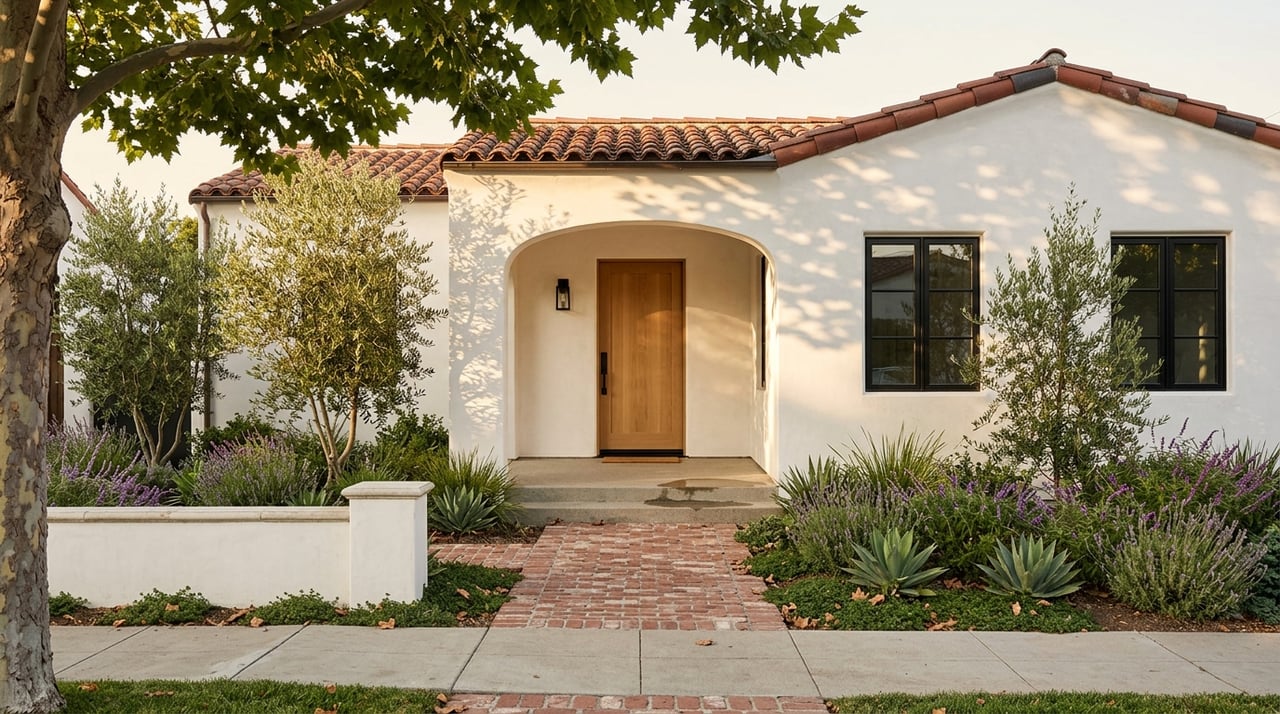
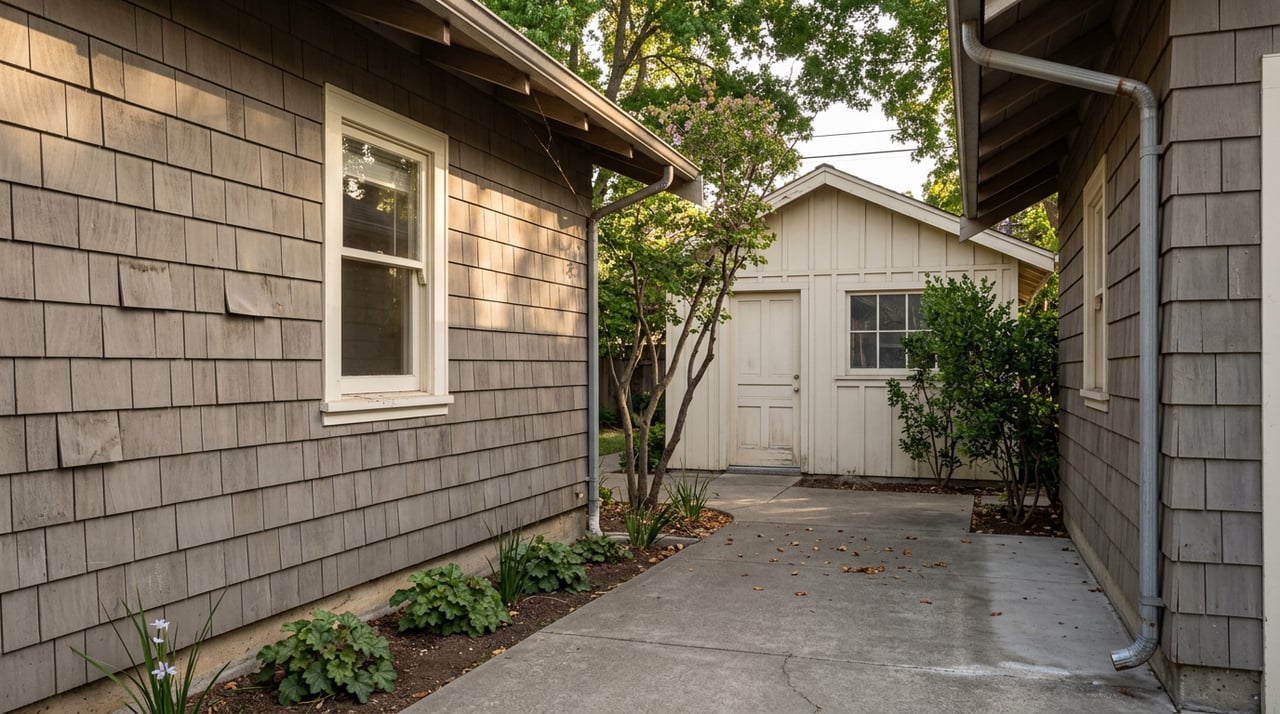
Pasadena's housing stock skews old. Craftsman bungalows, California bungalows, Spanish Colonial Revivals and postwar additions stacked on top of each other over a century of ownership. Somewhere in that history, a lot of these homes picked up square footage that never made it into the county record: an enclosed back porch turned into a den in the 1960s, a garage converted to a guest room before anyone thought to file paperwork, an addition built by a previous owner who assumed nobody would ever check.
Nobody checked, until now. The presale program checks by comparing your actual living area against what the Los Angeles County Assessor has on file. If the gap is 10 percent or more, you're bumped into the inspection path automatically, regardless of how clean the rest of the house looks. This is the mechanism that quietly reroutes sellers in older, character-heavy pockets of the city more often than it does sellers in newer construction, simply because older homes have had more decades to accumulate undocumented square footage.
If you fail, you're not stuck
Getting routed to a Presale Certificate of Inspection is not the end of the sale. If the city's inspector finds deficiencies, you have two options. You can fix them and schedule a re-inspection for an additional fee, or you can execute a Transfer of Responsibility, which shifts the job of correcting the violations to the buyer after closing. Under the ordinance's compliance timeline, a buyer who accepts a Transfer of Responsibility has 12 months to abate the violations, and the city retains the right to re-inspect within 18 months of the certificate being issued. Failing to correct the violations in that window can escalate to the code enforcement commission or the city prosecutor's office, so this isn't a mechanism either side should treat casually. But it does mean a sale doesn't have to stall over a garage conversion from 1975. It just has to be disclosed, negotiated, and put in writing.
The sidewalk fee that catches people almost as often
Separate from the presale certificate itself, Pasadena Municipal Code Section 12.04 requires homeowners to maintain the sidewalk abutting their property. When the city periodically inspects sidewalks and finds one needing repair, the homeowner has to either fix it or pay a Sidewalk Assessment Fee before either presale certificate can be issued. It's a small line item, but it's one more thing that can hold up a closing timeline if a seller doesn't know to check for it early. Sellers can typically choose to pay it directly or route it through escrow, splitting or assigning the cost as part of the negotiation.
What this means if you're listing an older Pasadena home this fall
If your property sits in a historic district or carries a Mills Act contract, there's an extra layer worth knowing about before you list. Pasadena's Historic Property Contract Program requires certain exterior changes, additions, or demolitions in landmark districts to go through a Certificate of Appropriateness review. That review process is separate from the presale certificate, but the two intersect the moment an addition or conversion wasn't documented properly the first time around. A home with undocumented square footage in a historic district can face review on two fronts at once: the presale program's square footage check, and the preservation staff's interest in whether the work was ever appropriate for the district in the first place.
The practical move, whether your home is a contributing property in a historic district or a straightforward single-family house, is to pull your permit history and compare it against your actual floor plan before you list, not after an offer is already on the table. If there's a gap, you'll want to know about it while you still have time to decide whether to document the work, address it, or simply plan for a Transfer of Responsibility conversation with your eventual buyer.
FAQ
Does the presale certificate program apply to land or larger multifamily properties? The requirement as written covers single family houses, condominiums, townhouses and duplexes. Larger multifamily properties and vacant land fall outside this specific program.
What if my home already has a Mills Act contract? A Mills Act contract governs property tax treatment and preservation obligations, and it transfers with the property to a new owner. It doesn't replace the presale certificate requirement. Both processes can be active on the same sale, so it's worth reviewing your Mills Act maintenance plan alongside your presale eligibility check.
How much time should I build into my timeline for this? Self-certification through the online portal can move quickly, often within the same day. If you're routed into the inspection path, add time for scheduling the city visit, receiving the report, and either completing repairs or negotiating a Transfer of Responsibility with your buyer. Starting the process before you list, rather than after you accept an offer, is the difference between a minor step and a source of delay.
If you're weighing a listing in Pasadena this fall and want a clear-eyed read on where your home stands before a buyer's agent finds out for you, Kawika Hiroshige can walk through your permit history, your Mills Act status if applicable, and what the presale program will actually ask of your specific property. Get your free home valuation and a straight answer on what needs attention before day one on the market.