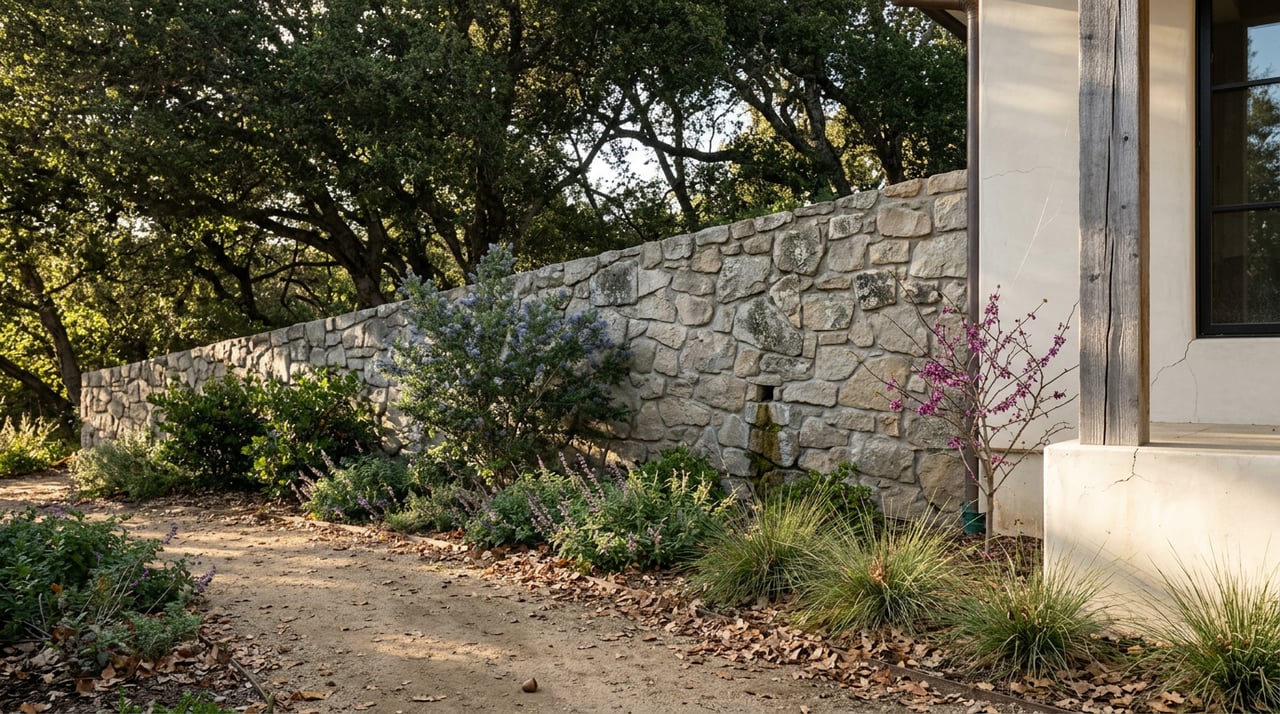
Walk down into the Lower Arroyo Seco on any Saturday morning and the canyon does what it's supposed to do: it quiets the traffic noise from Orange Grove, drops the temperature a few degrees under the oak canopy, and makes the rest of the city disappear for the length of a dog walk. Somewhere around the second bend you'll pass a cluster of people in arm guards drawing bows at a row of hay bales. A little further on, someone in waders is casting a fly line into a pond that has nothing to do with fishing for dinner. Keep going and you'll hit a stone building that looks like it was built for a wedding, because on a lot of Saturdays, it was.
Most people who "go to the Arroyo" walk past all three without stopping to ask what they're looking at. That's the thing worth knowing if you live in West Pasadena: this canyon is not an unstructured wild space that happens to have some old buildings in it. It's Pasadena's only officially designated nature preserve, and inside that preserve sits one of the most permitted, credentialed, scheduled patches of ground in the city. Knowing the schedule is what turns a walk-through into an actual weekend.
The only nature preserve in the city runs 1.5 miles
The Lower Arroyo Seco stretches from the Colorado Street Bridge south for a mile and a half to the South Pasadena line, and it's the only area in Pasadena the city has formally designated a nature preserve. There are eleven separate access points if you count the ones that feed in from the surrounding neighborhoods, which is part of why it feels less like a park with a gate and more like a canyon that West Pasadena happens to spill into.
A few things worth knowing before you go:
- Trails are mostly gravel and dirt, braided into multiple options rather than one fixed loop, and they get genuinely muddy after rain.
- No bikes on the unpaved sections. The city ordinance is specific about this, and it's enforced.
- There's poison oak along some of the less-traveled stretches. Stay on the trail if you don't know what it looks like.
- If you cross the pedestrian bridge below the dam and look up the west ridgeline, you'll see the house used as Wayne Manor in the 1960s Batman TV series. It's a private residence, so admire it from the trail.
None of that is secret exactly, but it's the kind of detail that separates someone who drives past the entrance from someone who actually uses the place.
You need a credential to shoot an arrow here
The archery range is where the "wild canyon" idea falls apart fastest. The Pasadena Roving Archers manage about 18 acres of the Lower Arroyo for archery, and you can't just show up with a bow. The city requires an archery credential, which you get by completing a safety class the Roving Archers teach on-site.
Here's how that actually works if you want to try it:
- Show up on a Saturday between 8:30 a.m. and 2:30 p.m., when the Roving Archers run lessons for the public.
- Take the free first-time lesson. No credential required for that one visit.
- Complete the safety and basic instruction class to get your city-issued credential.
- Renew the credential every three years.
The north range alone holds 28 hay bale targets and six practice butts, and it's permitted for up to 13 organized competitions a year. Outside of those events, it's open during regular park hours, sunrise to sunset, to anyone carrying a valid credential. That's not a hobbyist's side project tucked into a corner of the park. It's a scheduled civic facility that happens to be surrounded by trees.
The casting pond has outlasted almost everything else down there
A short walk from the archery range sits a pond that looks decorative until you notice the same handful of people showing up week after week with fly rods. It's been home to the Pasadena Casting Club for more than 50 years, which means the people practicing their double-hauls on a Tuesday evening are doing something their predecessors were doing in the Lower Arroyo before most of West Pasadena's current housing stock existed. There's no river to fish here. The pond exists purely for casting practice, and the club has kept it in continuous use since before most residents can remember the canyon looking any other way.
A building made from a demolished Olympic bicycle track
If you've ever walked past La Casita del Arroyo and assumed it was a private estate, it isn't. Architect Myron Hunt designed it in 1932 as a Depression-era relief project. The building itself is constructed from Arroyo stone, timber pulled from further up the canyon, and lumber salvaged from the bicycle track built at the Rose Bowl Stadium for the 1932 Olympics.
It's still a working public facility. You can rent it for a meeting or a wedding, and the demonstration garden next to it is maintained by the Pasadena Garden Club, which means the plantings you see there reflect decades of a volunteer club's choices rather than a landscaper's one-time design. A little further along the same stretch is the Bird Sanctuary, created in 1935 in honor of a Pasadena resident named Emma Dickinson. Its circular design centers on a birdbath tiled by Batchelder, the same tile maker whose work shows up in Arts and Crafts homes across the neighborhood.
The leash rule exists because of horses, not dogs
Bring a dog down into the Lower Arroyo and you'll want a leash, and the reason has nothing to do with crowd control. The park's bridle path connects to San Pascual Stables just across the line in South Pasadena, so the same braided trails carrying dog walkers also carry horses and riders. Dog-walkers, bird-watchers, and equestrians have shared this stretch for decades, and the leash requirement is what keeps that arrangement working rather than a rule imposed for its own sake.
Here's how the four pieces of the Lower Arroyo system actually compare, side by side:
| Feature | What it requires | Schedule quirk |
|---|---|---|
| Archery range | City-issued credential after a safety class | Free first lesson, Saturdays 8:30 a.m.–2:30 p.m. |
| Casting pond | Casting Club activity, open to observe | Continuous use for more than 50 years |
| Dog walking | Leash required | Shared trail with horses from South Pasadena's stables |
| La Casita del Arroyo | Rental for events, garden open to visit | Garden maintained by the Pasadena Garden Club |
None of it reads as "park amenities" on a map. It reads as a set of small institutions that happen to share a canyon.
Who actually keeps this running
The West Pasadena Residents' Association has been arguing for the Arroyo since 1962. It's an all-volunteer group with no paid staff and no public funding, and its service area is bounded by Colorado Boulevard to the north, Fair Oaks Avenue to the east, and the city limits to the south and west, which covers more than 9,000 residences. Preserving the Arroyo as open space has been part of its work from the start, alongside the more mundane business of tracking traffic patterns and new development along the west side.
If you wanted to sit in on a meeting, the board gathers the first Wednesday of the month at 6:30 p.m. in the Westridge School Community Room on Madeline Drive. One thing worth knowing if you're reading this in August: they don't meet this month. The board takes August and December off, same as it has for years, so the next regular meeting is in September.
The Lower Arroyo isn't a backdrop to West Pasadena. It's closer to a working part of the neighborhood's infrastructure, the same way the streets and the storm drains are, just older and quieter about it. Knowing when the archers are shooting, why the leash law matters on a shared bridle path, and when a volunteer board is deciding what happens to the tree canopy next is what separates living near the Arroyo from actually living in it.
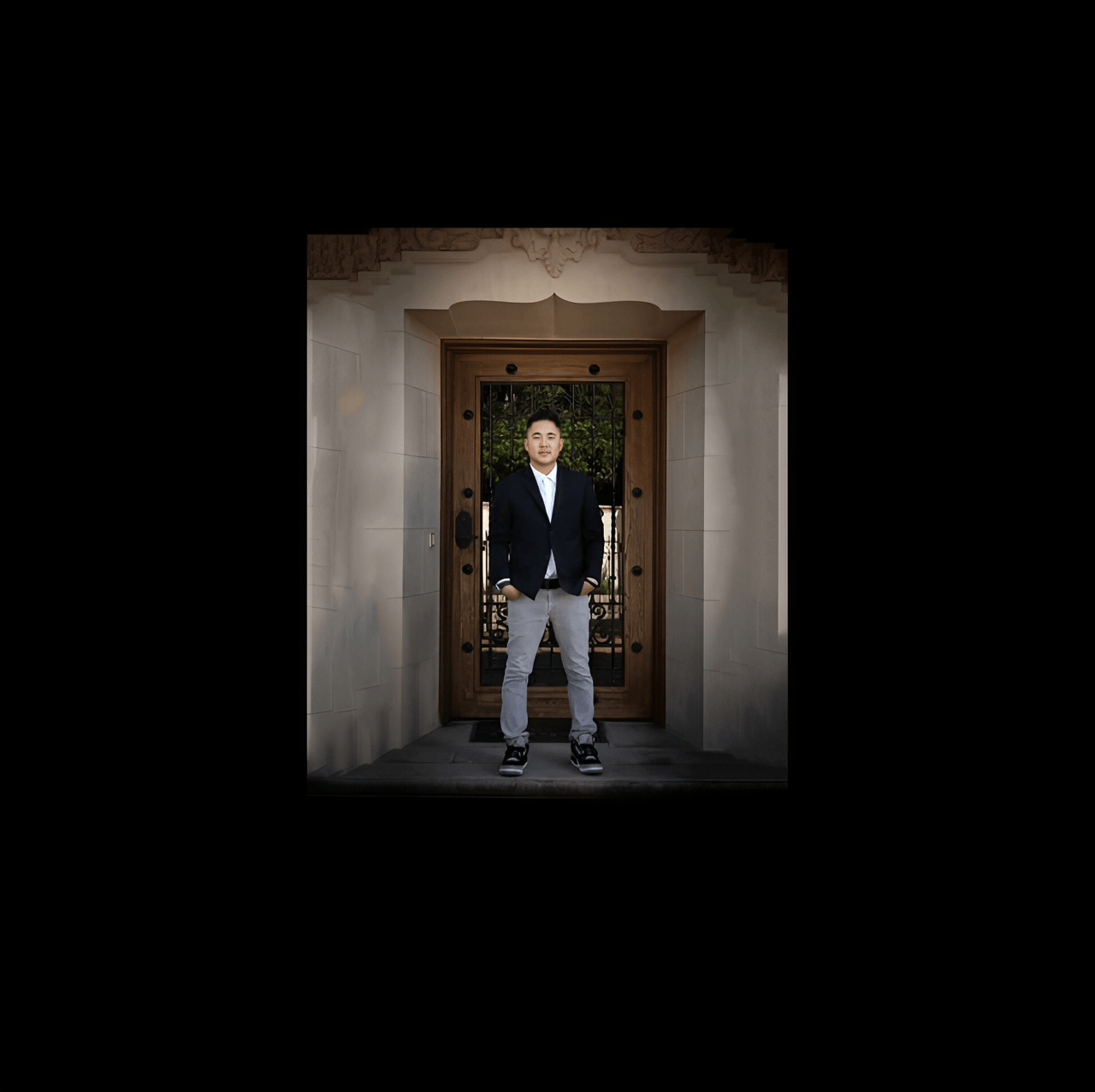
If you're weighing a move into West Pasadena, or you already call the canyon your backyard and you're curious what your home is worth in a neighborhood built around it, Kawika Hiroshige can walk you through what's changed and what hasn't. Get your free home valuation today.
This article is general information, not legal, tax or financial advice. Consult a qualified professional about your situation.