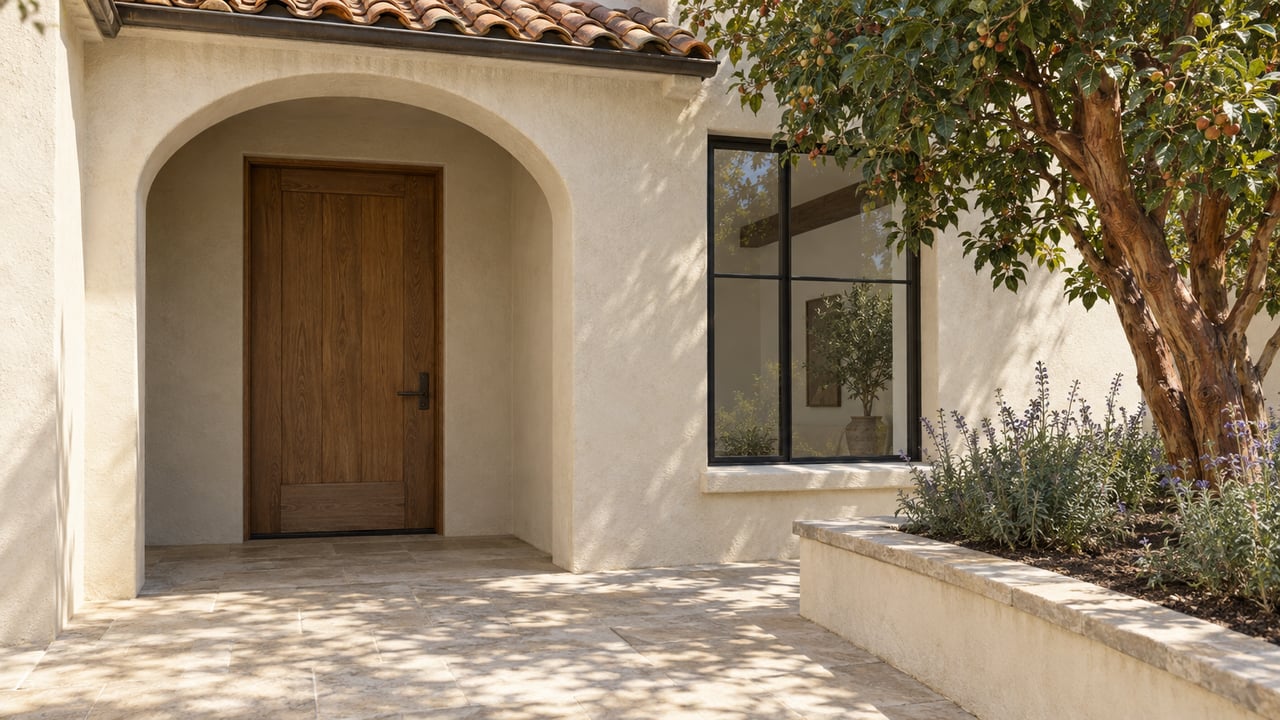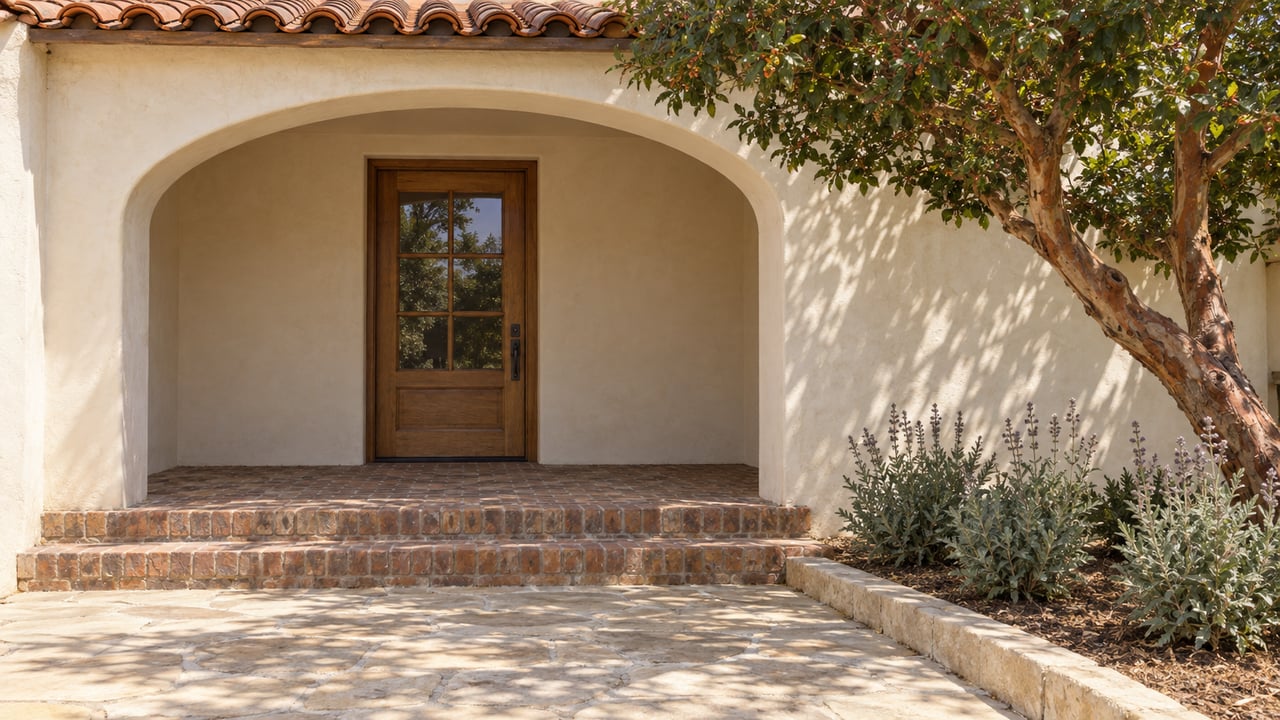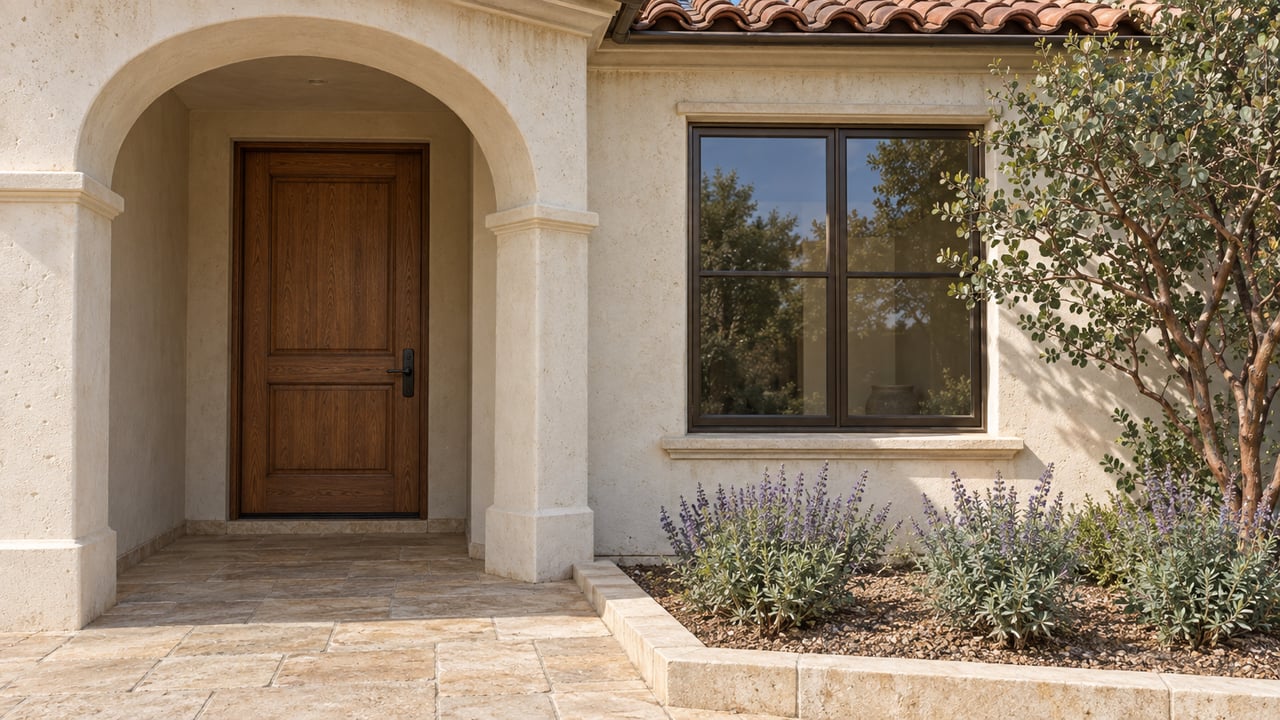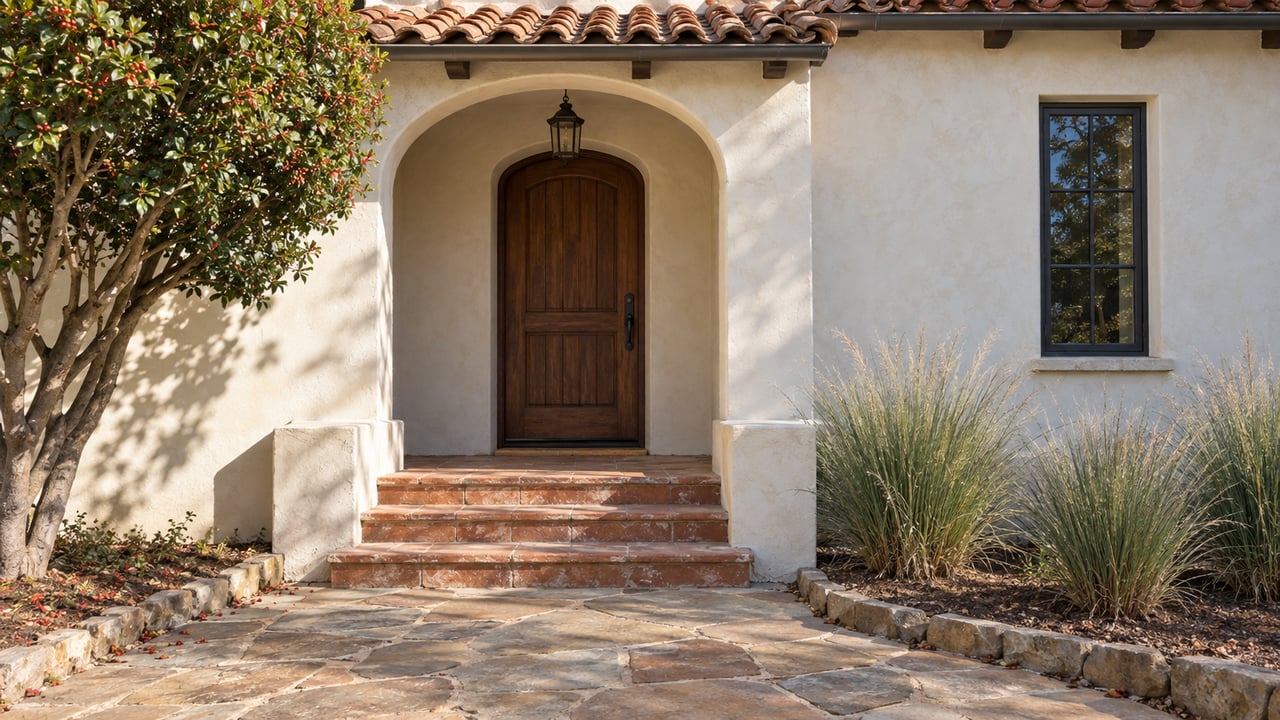
If you are drawn to West Pasadena’s historic homes, you are probably not just shopping for square footage. You are looking at character, architecture, and a sense of place that newer homes often cannot replicate. The good news is that West Pasadena offers all of that, but buyers also need to understand what historic status can mean for costs, renovations, and timelines. Let’s dive in.
Why West Pasadena Stands Out
West Pasadena is part of a city with a deep architectural legacy. According to Pasadena’s historic context materials, the city includes residential styles that range from late 19th-century estates to Craftsman homes from roughly 1905 to 1930 and Mid-century Modern homes from about 1945 to 1968.
For you as a buyer, that means West Pasadena is not a one-note historic area. You may find Victorian-era grandeur, early 20th-century subdivision planning, or postwar modern design, sometimes within a short drive of one another. That variety is a big part of the appeal.
South Orange Grove’s architectural range
South Orange Grove Boulevard is one of the best-known historic corridors in Pasadena. The city describes it as Pasadena’s Millionaires Row in the 1890s, and the Ross Grove Landmark District includes the largest remaining grouping of original South Orange Grove homes still standing.
What makes this area especially interesting is its range of styles. City materials point to Prairie, Craftsman, Colonial Revival, Shingle, and Queen Anne examples along the corridor. If you are buying here, you are often buying into architectural variety as much as into location.
Prospect and Arroyo Terrace character
The Prospect Historic District reflects some of Pasadena’s earliest exclusive subdivision planning in the first decades of the 20th century. The city notes its wide curved streets and mature camphor and palm trees, with landscaping serving as a major unifying feature.
Arroyo Terrace is smaller and more intimate. City district materials describe it as an L-shaped district off Orange Grove and Grand with 15 properties, 11 contributing buildings, notable Greene & Greene work, and distinctive clinker-brick and stone retaining walls. For buyers, details like these help explain why homes in these areas can feel so specific and memorable.
Mid-century homes on hillside sites
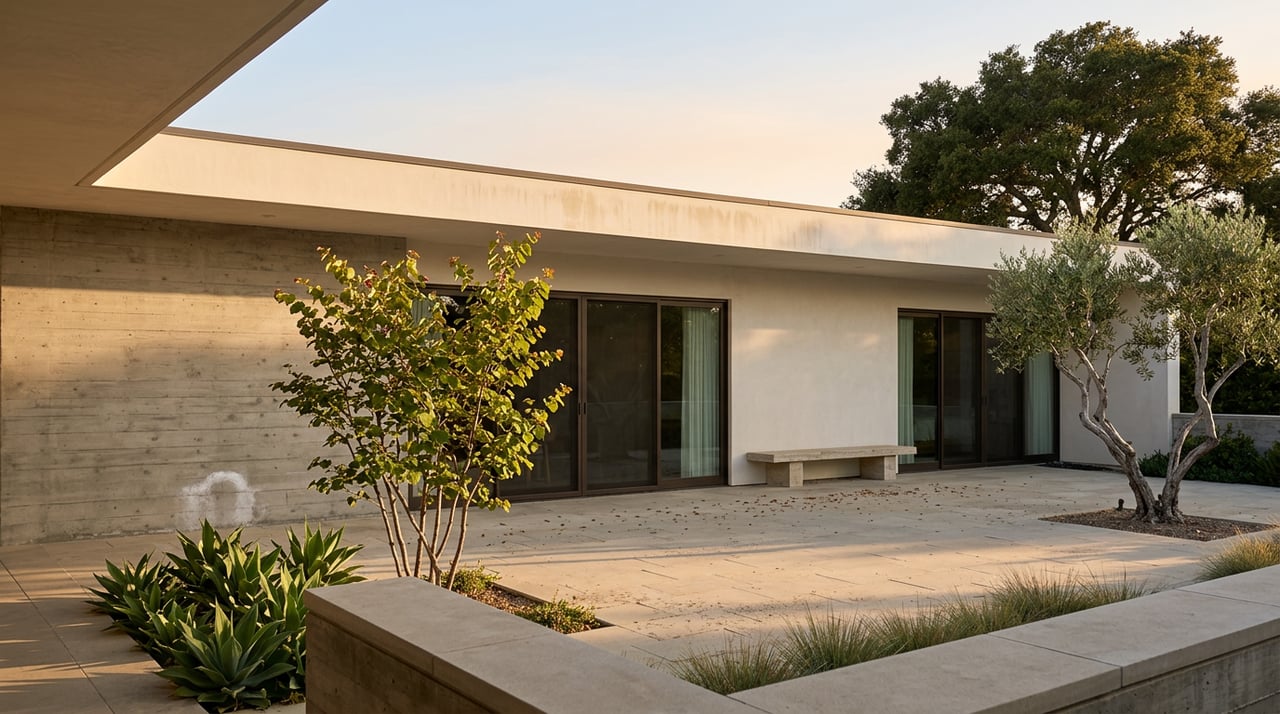
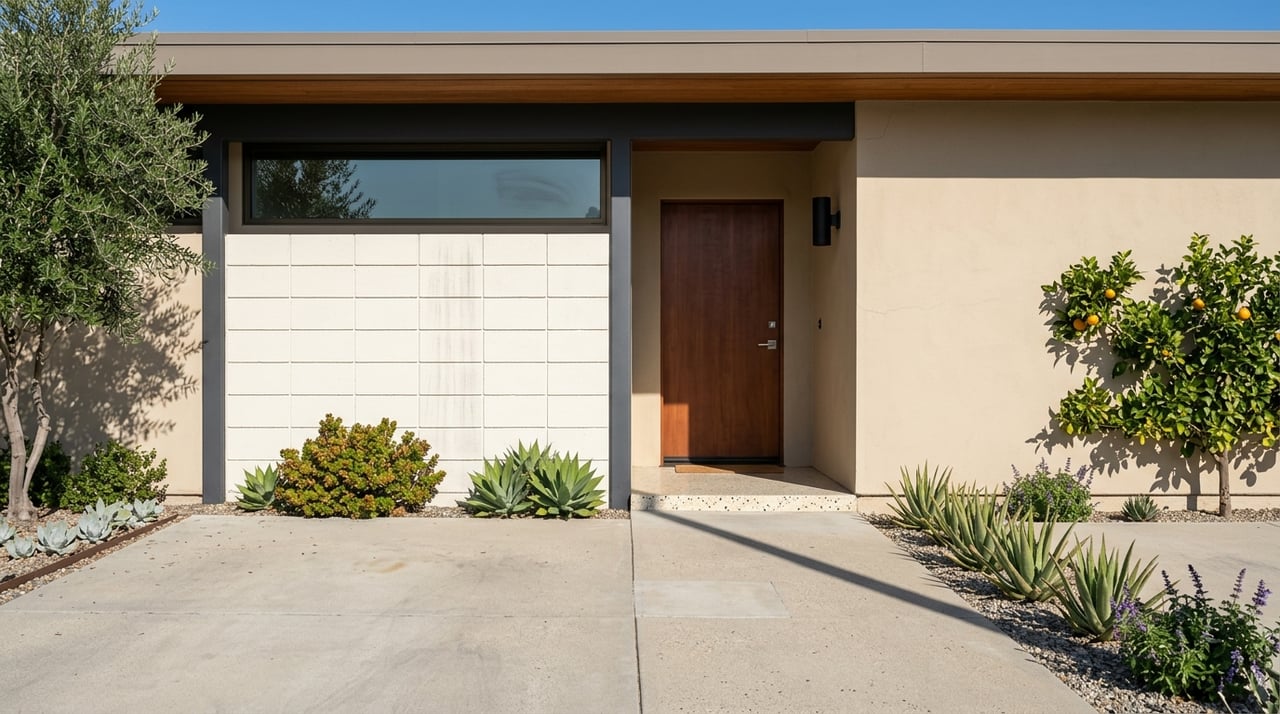
West Pasadena buyers may also encounter Mid-century Modern homes tied to Pasadena’s postwar growth. The city’s driving tour explains that many of these homes were designed with open plans and took advantage of Southern California settings, including challenging hillside sites.
That matters because the appeal is not just style. It can also be about siting, views, indoor-outdoor flow, and architecture that responds to the land. At the same time, hillside placement means your due diligence should be more property-specific.
What historic designation means
One of the biggest questions buyers have is simple: Is the home historic, and if so, what does that actually mean? In Pasadena, the answer depends on the property’s status.
The city’s historic preservation program identifies and tracks designated historic properties, districts, and many surveyed properties through CHRID, a searchable database. Pasadena also distinguishes between individual landmarks, landmark districts, National Register resources, and properties that are surveyed or considered eligible.
Designation does not stop you from buying or living there
A common misconception is that historic designation changes how you can use or sell a home. Pasadena states that landmark district designation does not affect the use or sale of a property.
What it does affect is demolition, visible exterior alterations, and new construction. If you want to make those types of changes, you may need city review before a building permit is issued.
Certificate of Appropriateness matters
In Pasadena historic districts, visible exterior changes may require a Certificate of Appropriateness. The city says this review applies before permit issuance for work involving things like demolition, visible exterior alterations, or new construction.
The city also notes that design guidelines for historic districts are based on the Secretary of the Interior’s Standards. In practical terms, that means changes are reviewed with an eye toward preserving historic character rather than treating the house like a blank slate.
Some changes are exempt
Not every repair or update triggers the same level of review. Pasadena says common review items include windows, front porches, additions, fences, and new garages.
The city also states that interior work, paint colors, landscaping, solar panels, routine maintenance, and non-visible mechanical upgrades are exempt. Another helpful point for buyers is that owners are not required to restore missing historic features simply because a home sits in a district.
How historic status affects your timeline
If you think you may renovate after closing, timeline planning matters. Pasadena says Historic Preservation Commission review typically takes about 6 to 8 weeks from submittal, while staff review often takes about 4 to 6 weeks.
The city also says Certificate of Appropriateness review can add about 2 months to a permit timeline. For designated or eligible resources, demolition review delays can extend up to 180 days. If your purchase depends on a quick remodel, these timeframes are important to understand before you make an offer.
Inspections and renovation issues to expect
Older homes can be rewarding, but they ask for more diligence. In West Pasadena, your inspection strategy should reflect both the age of the house and its historic setting.
For pre-1978 homes, the EPA says renovation, repair, and painting can create significant lead-based paint dust. The EPA also notes that asbestos may still be present in older buildings, including floor and ceiling tiles, pipe wrap, and insulation.
Exterior details can affect repair costs
Historic district context can make maintenance more layered than in a newer home. Based on Pasadena’s district descriptions and review framework, repairs to roofs, windows, masonry, landscape features, and other street-facing elements may require more thought than simple replacement.
That does not mean every repair becomes complicated. It does mean you should budget with care and ask better questions about condition, prior work, and what approvals may apply to future exterior projects.
Hillside homes need property-specific diligence
For Mid-century hillside homes, do not assume a standard inspection tells the full story. Pasadena’s own materials point out that these homes often occupy challenging sites.
That is why slope conditions, drainage, and structural scope should be treated as property-specific questions. If a home’s value is tied to its setting, your diligence should be just as site-specific as the architecture itself.
Tax benefits and long-term costs
Historic homes can offer value in more than one way, but buyers should stay realistic. Pasadena says designation may increase value, though it also comes with design review and compliance responsibilities.
In real-world terms, pricing is often shaped by both charm and friction. Originality, condition, approved repair costs, and the presence or absence of a Mills Act contract can all influence how a property pencils out.
How the Mills Act works
Pasadena’s Mills Act program is the main local tax incentive buyers should know. The city says qualifying owners who enter into a Mills Act contract agree to rehabilitate, restore, and maintain the property according to the Secretary of the Interior’s Standards.
The California Office of Historic Preservation adds that Mills Act contracts begin with a 10-year term, automatically renew each year, and transfer with the property when it is sold. It also notes that the tax calculation may provide relief by using an income-approach assessment rather than the standard market approach.
The tax break is not automatic
A Mills Act benefit can be meaningful, but buyers should not assume every historic home has one. The California Office of Historic Preservation says local governments set eligibility criteria and contract limits, and Pasadena notes that periodic inspections may occur and obligations bind future owners.
That is why Mills Act status should be part of your offer and underwriting conversation, not just a pleasant surprise after closing. You want to confirm whether a contract is already attached and what responsibilities come with it.
What smart buyers should verify
When you are evaluating a historic home in West Pasadena, clarity beats assumptions. A beautiful facade can be the start of a great purchase, but your confidence should come from records, inspections, and a realistic plan.
Here are the key items to verify early:
- The property’s exact historic status
- Whether it is individually designated, in a landmark district, or surveyed or eligible
- Whether a Mills Act contract is already in place
- How much original exterior material or detail remains
- Whether previous exterior work appears consistent with local review rules
- What renovation goals you have for the property after closing
- Whether the home’s site conditions, especially on a hillside lot, need added investigation
Pasadena’s systems make this research more accessible than many buyers expect. The city’s CHRID database, historic district maps, and Design & Historic Preservation staff can help you better understand what you are buying before you commit.
What historic homes can mean for you
For the right buyer, a historic home in West Pasadena can offer something hard to duplicate. You may be buying architectural significance, lasting craftsmanship, and a setting that feels deeply tied to Pasadena’s story.
At the same time, these homes reward buyers who do their homework. If you understand designation, inspection needs, timeline impacts, and tax considerations up front, you can enjoy the character without being surprised by the responsibility.
If you are thinking about buying in West Pasadena and want a clear, local perspective on how a historic property fits your goals, connect with Kawika Hiroshige. You will get thoughtful guidance rooted in Pasadena knowledge and a patient, practical approach to the details that matter.
FAQs
What makes West Pasadena historic homes different from newer homes?
- West Pasadena historic homes often offer distinctive architecture, original design details, and neighborhood context tied to Pasadena’s late 19th-century, early 20th-century, and mid-century development patterns.
What does historic designation mean for a West Pasadena buyer?
- In Pasadena, historic designation can affect demolition, visible exterior alterations, and new construction review, but landmark district designation does not affect the use or sale of the property.
What exterior changes usually need review on a historic Pasadena home?
- Pasadena says review often applies to items such as windows, front porches, additions, fences, and new garages when they involve visible exterior changes.
What work is usually exempt on a historic home in Pasadena?
- The city says interior work, paint colors, landscaping, solar panels, routine maintenance, and non-visible mechanical upgrades are generally exempt from historic review.
How long can historic review take in Pasadena?
- Pasadena says staff review often takes 4 to 6 weeks, Historic Preservation Commission review typically takes 6 to 8 weeks, and a Certificate of Appropriateness can add about 2 months to a permit timeline.
What should buyers inspect closely in older West Pasadena homes?
- Buyers should pay close attention to age-related issues such as possible lead-based paint or asbestos in older homes, along with property-specific concerns involving roofs, windows, masonry, retaining walls, drainage, and hillside conditions where applicable.
What is the Mills Act for Pasadena historic homes?
- The Mills Act is Pasadena’s main local historic property tax incentive program, and qualifying owners who enter a contract agree to maintain and rehabilitate the property under specific preservation standards.
Does every historic home in West Pasadena qualify for federal tax credits?
- No. The federal 20% historic rehabilitation tax credit is generally for income-producing properties, and owner-occupied residences do not qualify according to the National Park Service.