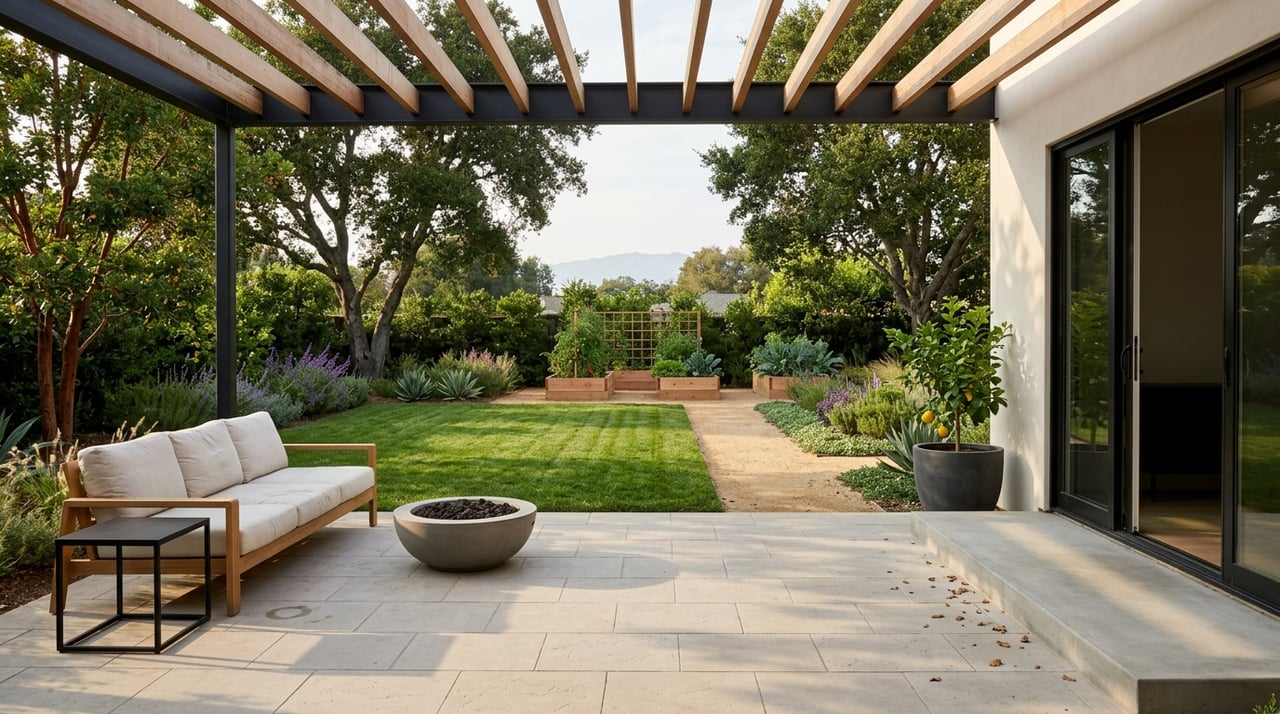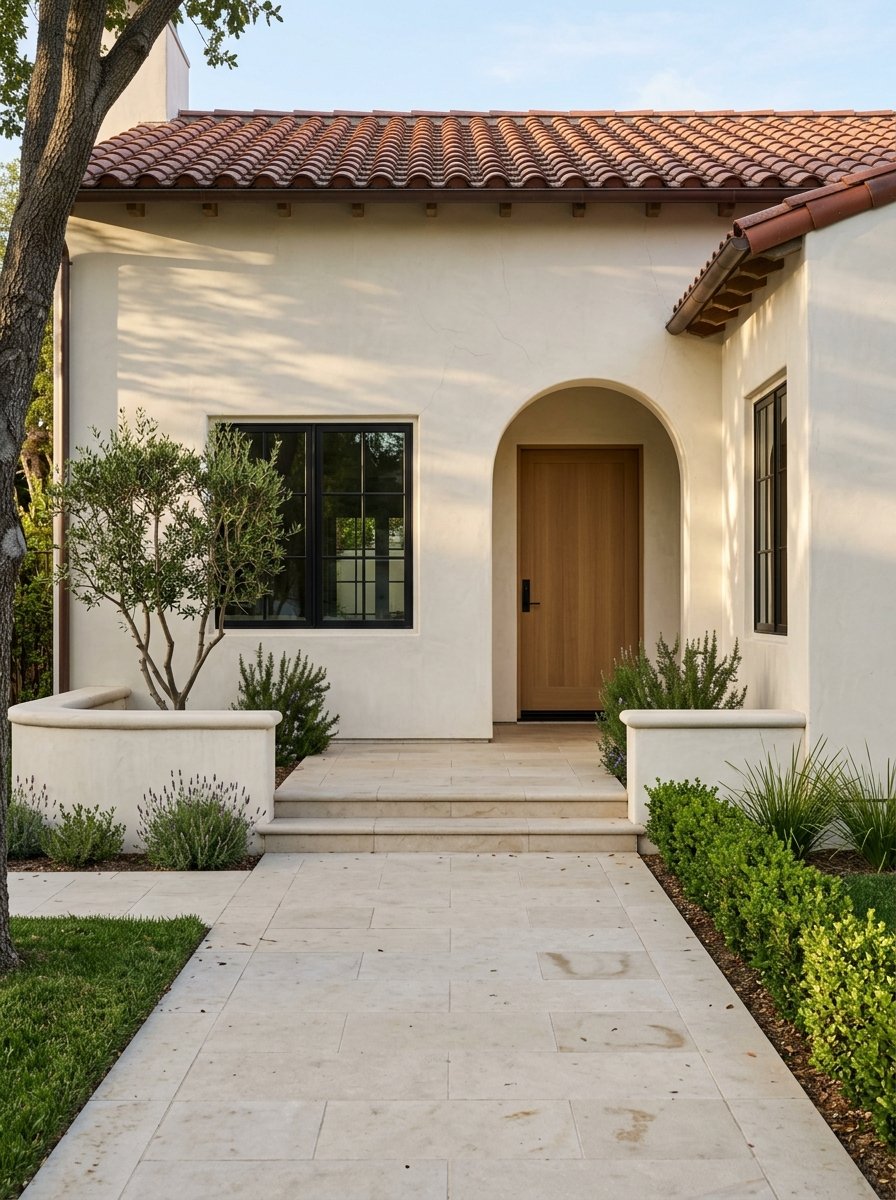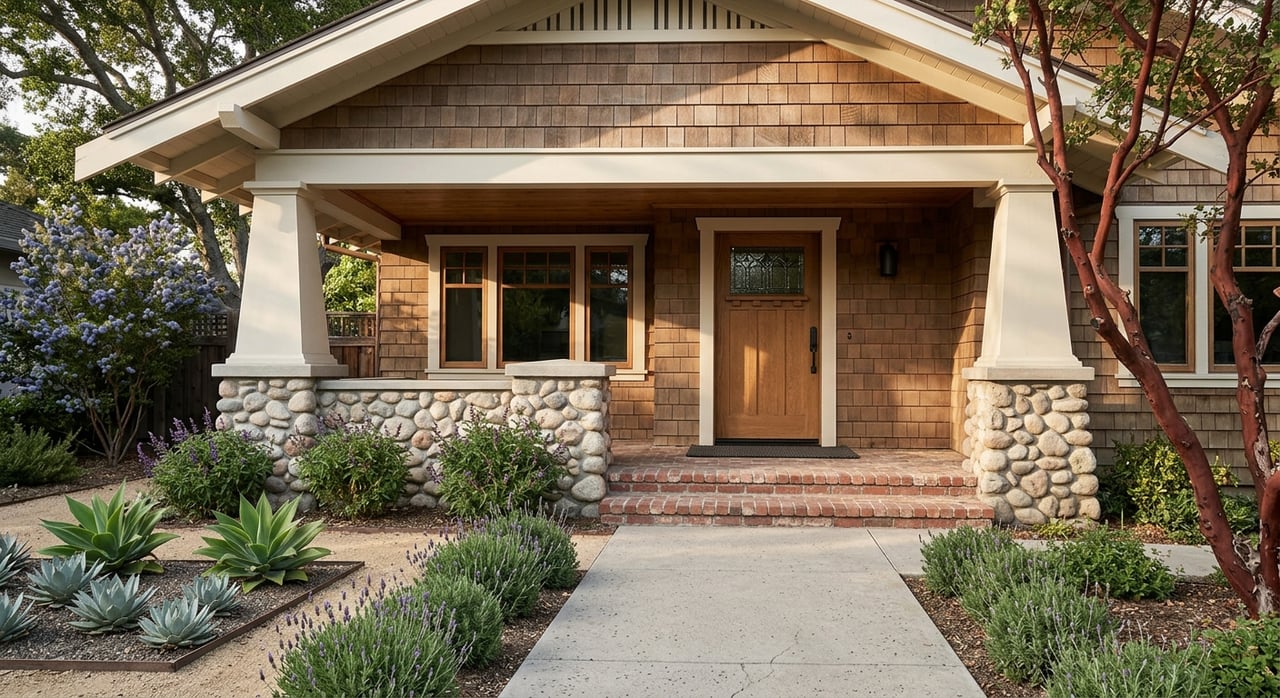
If you own a character home in Altadena, you already know you are not selling a cookie-cutter property. You are selling architecture, details, and a sense of place, which can be a major advantage when the home is prepared and priced with care. The challenge is knowing what to update, what to preserve, and how to present it so buyers see the value right away. Let’s dive in.
Why character homes need a different plan
Altadena has an older and unusually varied housing stock, with Los Angeles County noting 15,334 housing units and about 90% built before 1979. The area includes Queen Anne, Craftsman, Tudor Revival, Spanish Colonial Revival, Minimal Traditional, Ranch, and other residential styles, which means your home may compete in a market where architecture matters as much as square footage. You can see that broader preservation context in the county’s Altadena planning and historic resources materials.
That matters because buyers shopping for a character home are often looking for features they cannot easily find in newer properties. Original windows, porches, built-ins, rooflines, wood trim, masonry, and period details can all help your home stand out. But those same features need to be framed correctly, both in person and online, so they read as authentic value rather than deferred maintenance.
Altadena’s preservation story is also becoming more formal. In 2025, Los Angeles County approved Altadena’s first historic district and landmark designation in part of Historic Highlands, covering 77 parcels of predominantly early-20th-century single-family homes, as noted in the county announcement on Altadena’s first historic district and landmark designation. For some sellers, that growing recognition can shape how buyers view a home’s long-term appeal and stewardship.
Start with permits and records
Before you paint a wall or replace a fixture, start with documentation. In Altadena, a permit and records audit is one of the smartest first steps because Los Angeles County requires permits for many common projects, including remodels, kitchen changes, window and door replacements, certain fences, retaining walls, pools, and many plumbing, electrical, and mechanical updates. The county also notes that unpermitted construction can reduce resale value and complicate insurance claims, according to its permit guidance for property owners.
This is especially important in the current local context. The Eaton Fire recovery resource hub remains relevant for Altadena owners, particularly if a property was damaged, repaired, or rebuilt after January 7, 2025. If that applies to your home, buyers will likely want a clear paper trail showing repairs, permits, and final approvals.
Altadena also has a Community Standards District, so visible exterior changes should be checked against current local standards before work begins. In practical terms, that means your prep plan should be informed by paperwork first and design decisions second.
Preserve the details that define the home
The goal of seller prep is not to erase age. It is to reduce friction for buyers while protecting what makes the home special.
Los Angeles County’s historic district work guidelines are helpful here, even if your home is not formally designated. For Craftsman homes, the county identifies features like low-pitched gabled roofs, broad eaves with exposed structural members, porches, grouped windows, and natural materials as character-defining elements. The same guidelines recommend matching original siding when replacement is needed, avoiding removal of repairable materials, and using replacement windows that match original shape and configuration.
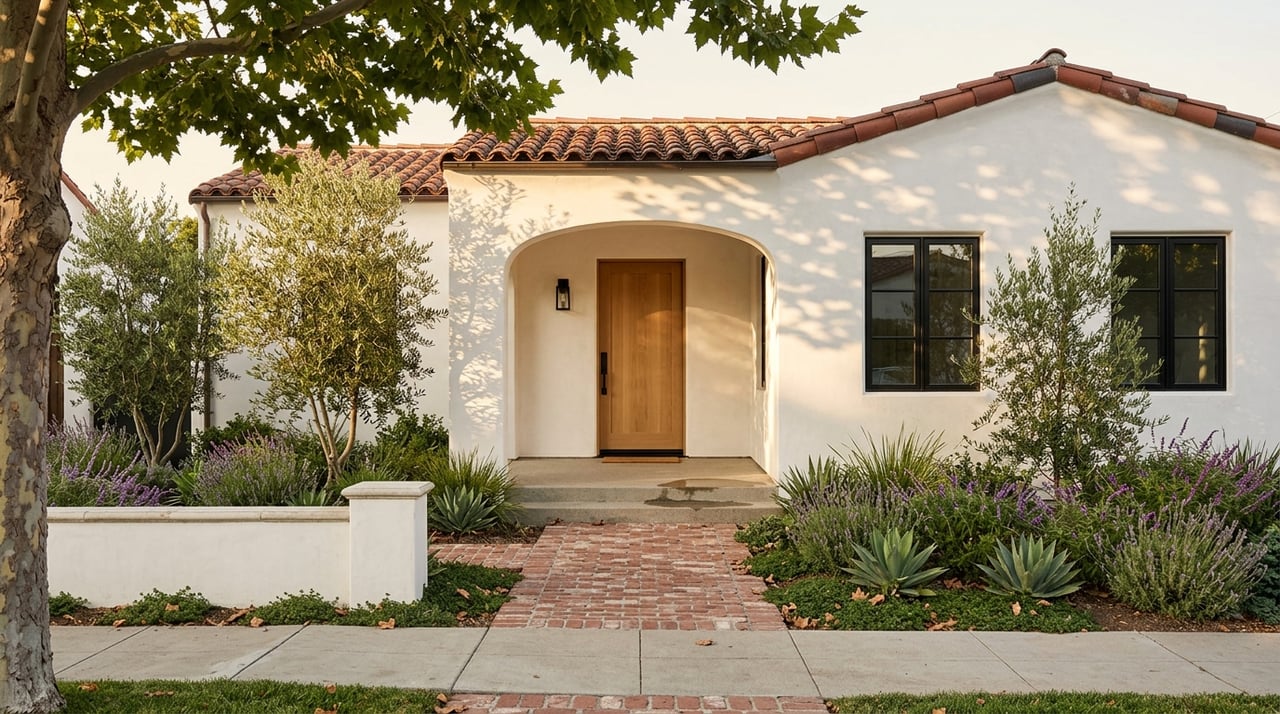
That same preservation mindset applies to Ranch and mid-century homes too. The county points to features like smooth stucco, wood multi-light windows, shallow porches, low horizontal massing, large window banks, and sliding glass doors as important visual cues. If your home has these elements, simple repair, cleaning, refinishing, and thoughtful lighting often do more for value than generic, trend-driven updates.
Focus on low-risk improvements
Not every project will pay off before listing. For most Altadena character homes, the safest improvements are the ones buyers notice immediately without changing the architecture.
According to the National Association of REALTORS, 92% of REALTORS recommend improving curb appeal before listing, and 98% say curb appeal is important to buyers in the 2023 outdoor features report. That supports practical updates like:
- Lawn and landscape maintenance
- Pruning overgrowth that hides the facade
- Exterior touch-up paint
- Porch cleanup and repair
- Front door and entry refresh
- Deep cleaning inside and out
- Basic lighting improvements
These projects are especially useful when they reveal the home’s original architecture instead of covering it up. A clean porch, trimmed landscaping, and a tidy path to the front door can help buyers connect with the house before they ever step inside.
Use staging to make architecture the hero
Staging is not just about filling rooms with furniture. In a character home, good staging helps buyers understand scale, flow, and the purpose of original features.
The National Association of REALTORS reports that 83% of buyers’ agents said staging made it easier for buyers to visualize a property as a future home, while 29% said staging increased the dollar value offered by 1% to 10%. Among sellers’ agents, 49% said staging reduced time on market, according to the 2025 Profile of Home Staging summary.
For Altadena homes, the most important rooms are often the living room, primary bedroom, dining room, and kitchen. Those are the spaces where buyers are most likely to notice fireplaces, built-ins, window groupings, woodwork, and indoor-outdoor flow.
A few staging principles tend to work well in character homes:
- Keep furnishings neutral and scaled to the room
- Let fireplaces, trim, and built-ins remain visible
- Avoid heavy decor that competes with original details
- Use simple textiles and lighting to warm the space
- Make porches and entry areas feel intentional and welcoming
The same rule applies to photography and tours. Buyers today care deeply about listing photos, video, virtual tours, and physical presentation, so your marketing should make the home’s special features easy to read in every format.
Price by pocket, not just by zip code
One of the biggest pricing mistakes in Altadena is assuming the entire market moves the same way. It does not.
Recent data shows why. Redfin’s February 2026 Altadena city-level report showed a median sale price of $990,000 and a median 105 days on market in the Altadena housing market report. Meanwhile, Realtor.com’s 91001 market snapshot showed a 96% sale-to-list ratio, a 43-day median on market, and a seller’s-market classification in its 91001 local market report.
Those figures are useful, but they are directional, not interchangeable. They reflect different geographies and methodologies. More importantly, Realtor.com’s neighborhood snapshots within 91001 showed major variation, with median home prices ranging from about $913,999 in Natha to $1,999,950 in La Vina, and median days on market ranging from 24 in PresidentStreets to 97 in La Vina.
That is why your pricing strategy should stay as close as possible to:
- Your specific Altadena pocket
- Your home’s architectural style
- Lot size and usable outdoor space
- Level of preservation or alteration
- Permit history and legal improvements
- Current condition and presentation
A preserved Craftsman should not be priced off a newer remodeled house in a different pocket just because both share the same zip code. Buyers for character homes often compare more selectively, and your pricing should reflect that.
Condition and documentation influence value
Character can support price, but only when buyers trust what they are seeing. Original siding, windows, doors, porches, and rooflines may add appeal, yet that appeal is strongest when the home is well maintained and clearly documented.
That is also where a historic designation or eligibility can become part of the conversation. Los Angeles County’s historic preservation program notes that the Mills Act can offer property tax relief for qualifying historical properties when owners agree to restore and maintain them. This will not apply to every listing, but for some buyers it may be a meaningful part of the value story.
Where Compass tools can help
For sellers who want to improve presentation without paying all costs upfront, Compass Concierge can be part of the strategy. Compass describes Concierge as an upfront-funding program for items such as staging, flooring, painting, landscaping, deep cleaning, repairs, and cosmetic renovations in its Compass Concierge overview. Compass also states that zero is due until closing, though terms vary by market and fees or interest may apply depending on state, with repayment due when the home sells, the listing ends, or after 12 months.
For a character home, the best use of a program like this is often selective rather than extensive. Think paint, floors, landscaping, porch repair, decluttering, deep cleaning, and light cosmetic updates that improve first impressions without flattening the home’s identity.
Marketing matters just as much. Compass highlights tools like its Marketing Center and pre-market channels, including Private Exclusives, which Compass says can put a home in front of 340,000 agents before a public launch. For a distinctive Altadena home, that kind of measured rollout can help test pricing, build early interest, and tell a more thoughtful story before the listing goes fully public.
A smart Altadena selling strategy
If you are selling a character home in Altadena, the strongest plan is usually not the flashiest one. It is a careful mix of permit review, preservation-minded prep, clear documentation, supportive staging, strong visuals, and pricing based on your exact pocket rather than broad headlines.
That approach helps buyers understand what makes your home special and why it deserves serious attention. If you want a thoughtful plan tailored to your property, connect with Kawika Hiroshige for local guidance, strategic preparation, and a polished marketing approach designed to help your home stand out.
FAQs
What should you fix before selling a character home in Altadena?
- Start with a permit and records review, then focus on low-risk improvements like cleaning, paint touch-ups, landscaping, porch repair, lighting, and staging that supports the home’s original architecture.
How should you price a character home in Altadena?
- Price it using nearby comparable sales from the same pocket, with close attention to architectural style, lot size, condition, preservation level, and permit history rather than relying only on zip-code averages.
Do permits matter when selling a home in Altadena?
- Yes. Los Angeles County notes that unpermitted work can reduce resale value and complicate insurance claims, so buyers and their agents often look closely at permit history.
Is staging worth it for an Altadena character home?
- In many cases, yes. NAR reports that staging can help buyers visualize the home, may improve offers, and can reduce time on market when it highlights key rooms and architectural details.
Can historic status affect the sale of an Altadena home?
- It can. Some buyers may see added appeal in a property with historic recognition, and qualifying historical properties may be eligible for Mills Act tax relief through Los Angeles County.