Want to run daily errands on foot and leave the car parked most days? Downtown Pasadena makes that possible with compact blocks, lively streets, and plenty of essentials clustered together. If you’re weighing a move here, you probably want to know which pockets feel best for walking, how transit fits in, and what to expect from housing. This guide shows you the most walkable areas, how to get around car-light, and a simple way to map your routine. Let’s dive in.
Where downtown is walkable
Old Pasadena
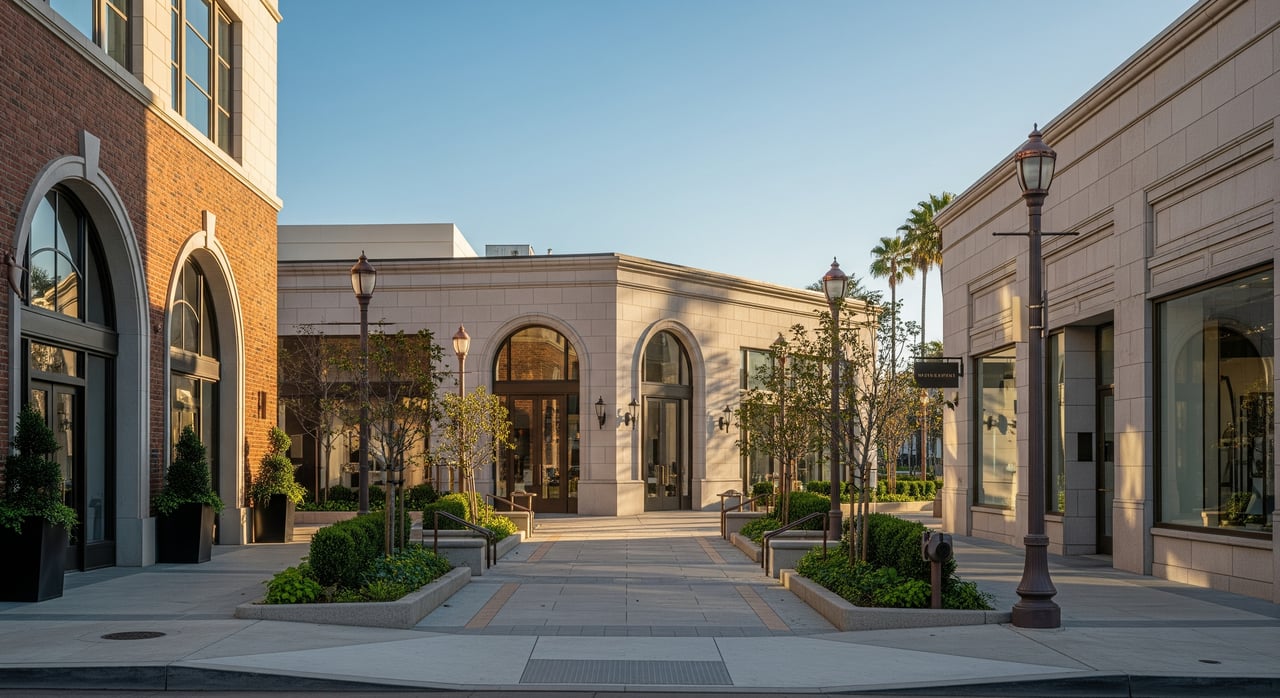
Old Pasadena is the historic retail and entertainment core centered on and around Colorado Boulevard. You get dense, mixed-use blocks with ground-floor shops and upper-floor offices or apartments, which keeps sidewalks active from morning into the evening. It is the most pedestrian-oriented part of downtown, with many cafes, restaurants, and stores in a 5 to 10 minute walk.
Playhouse District
A few blocks east of Old Pasadena, the Playhouse District offers an arts-forward feel with theaters, galleries, and smaller restaurants. Sidewalks are continuous, blocks are short, and daily destinations sit close together. Evenings are a bit quieter than Old Pasadena, which some residents prefer after work.
Civic Center
Around the Civic Center and Central Library, you’ll find government buildings, cultural spaces, and small parks and plazas. It is a practical spot for lunch breaks, library visits, and quick errands. Streets connect well to Old Pasadena and the Playhouse District, so you can walk between them in minutes.
South Lake Avenue
South Lake is a shopping and dining corridor with cafes, specialty retailers, and professional services. It reads a little more upscale and relaxed, with steady daytime energy and a calmer late evening. For many residents, South Lake is an easy 10 to 15 minute walk from central downtown blocks.
Getting around car-light
Transit options
Downtown Pasadena is served by regional Metro light rail that ties the area to the broader Los Angeles rail network. Many residents pair a short walk with light rail or regional bus lines for commutes and weekend outings. Within the city, local bus service circulates between downtown and nearby neighborhoods, making short hops realistic without a car.
Biking and micromobility
Several downtown streets are bikeable, and some corridors include designated bike lanes. Conditions vary by block, so you may build a preferred route over time. Shared scooters or bikes may be available depending on current operators, which can change. If you ride, plan for variable availability and consider a backup option.
Rideshare and short-term car use
App-based rideshare is widely used for late nights or trips that fall outside your walking or transit pattern. Some buildings and nearby garages also make short-term car rentals or carshare easy when you need wheels for a few hours. If you are going car-light, this mix fills the gaps for Costco runs or weekend hikes.
Parking and validations
Old Pasadena and the Civic Center offer municipal parking structures and street meters, and many businesses validate. If you live nearby, you may keep a car parked most of the week and pay only when you need it. For visitors, validations can make dinner or a show more convenient.
Daily life and weekend flow
Morning routines
Most days start with a short walk to a cafe or bakery, then a quick stop at a market. If you work from home, pocket parks and plazas provide fresh air breaks. The library and civic spaces are nearby for quiet work sessions.
Midday errands
Within a few blocks you can find fitness studios, pharmacies, dry cleaners, banks, and services. Old Pasadena and South Lake have dense clusters of shopping and lunch spots, so you can bundle errands into a 30 to 60 minute walk.
Evenings out
Old Pasadena anchors dinner and nightlife with the widest range of late-hour options. The Playhouse District and South Lake tend to be more low-key for relaxed meals and shows. If you stay out late, a quick rideshare back home keeps things simple.
Active weekends
Many residents use light rail for day trips to other LA neighborhoods. If you bike, you can piece together calm streets for longer rides or meet friends at parks and plazas around the Civic Center. Farmers’ markets and local events are common, so check current schedules as they shift seasonally.
Housing options and feel
Apartments and condos
Downtown offers many apartments and mid-rise condos with urban amenities. You’ll see mixed-use buildings with homes above retail, which puts you close to food, coffee, and services. Some properties include parking, while others charge separately or limit spaces.
Lofts and historic conversions
In and around Old Pasadena, historic buildings have been converted to loft-style homes. Expect character details and walk-to-everything convenience. Ask about soundproofing and unit orientation if you want extra-quiet nights.
Newer infill and mixed-use
Recent developments add modern condo and loft options with on-site amenities. These buildings often offer secure entry, package rooms, and structured parking. For many buyers, this balances walkability with comfort and convenience.
Nearby single-family options
Single-family homes are less common in the core, though nearby neighborhoods offer them a short bus or bike ride away. If you want more space or a yard, you can still keep a car-light routine by placing daily needs near transit.
Practical tips for urban living
- Parking: Ask about included parking, monthly fees, and guest parking. Clarify electric vehicle charging, street permit options, and any time restrictions.
- Deliveries: Confirm package rooms, concierge procedures, and oversized delivery rules. Consider secure delivery lockers or carrier holds for frequent shipments.
- Noise and nightlife: Old Pasadena is the most active late at night, while Playhouse and civic areas are usually calmer. Ask about unit orientation, window glazing, and quiet hours.
- Pets: Many buildings are pet-friendly. Confirm breed or weight limits, pet rent, and nearby outdoor relief areas.
- Schools and family needs: Downtown is primarily urban. If you need specific school options or more space, explore adjacent neighborhoods and verify boundaries and programs.
Build your simple walkability map
You can quickly visualize your day-to-day life with a custom map. A simple approach helps you compare buildings and blocks.
- Pick a home base: Choose a central block in Old Pasadena or near your preferred building.
- Draw walk-time rings: Sketch 5, 10, and 15 minute walking circles from your base. If precise isochrones are not available, annotate clusters with time labels.
- Mark key stops: Add markers for light rail, major bus stops, grocery stores, pharmacies, and dining clusters like Old Pasadena, Playhouse, and South Lake.
- Include parks and civic spots: Highlight plazas, parks, and the central library for downtime or remote work breaks.
- Add parking points: Pin nearby municipal garages and any building garage entrances for guests.
- Pin representative listings: Save links to a few active listings you are considering to see how each location changes your walk-time map.
- Color code: Try blue for transit, green for grocery, orange for dining, and red for listings. Keep labels short so the map stays readable on mobile.
Accessibility tips: Offer a simple text list of what falls within 5, 10, and 15 minutes for screen reader users. If you tour with friends or family, export a printable version so everyone follows the same plan.
Choosing your pocket
- Daily rhythm: If you want energy late into the evening, lean toward Old Pasadena. If you prefer quieter nights, consider the Playhouse District or areas near the Civic Center or South Lake.
- Commute chain: Start with your most frequent trip, then layer on groceries and fitness. The best spot is where your top two needs align within a 10 minute walk.
- Dining style: For maximum variety, Old Pasadena offers the most density. For cozy spots and theaters, the Playhouse District fits well.
- Property type: If you want a loft feel, explore historic conversions near Old Pasadena. If you prefer modern amenities, look for newer infill buildings.
- Noise tolerance: Ask about weekend foot traffic, loading docks, and nightlife hours on your block. Courtyard-facing units can be calmer than street-facing homes.
What to ask before you sign
Use this quick checklist when comparing buildings or units:
- How many parking spaces are included, and what are the fees?
- What is the guest parking policy and nearby garage availability?
- Is there secure bike storage on site?
- Where is the nearest light rail stop and major bus corridor from the lobby?
- How are packages handled, and is there a staffed desk or package room?
- What are quiet hours, and how is noise managed?
- What are pet policies, deposits, and nearby outdoor spaces?
- Are there move-in fees, HOA rules, or elevator reservations for moves?
Work with a local guide
If you are deciding between Old Pasadena, the Playhouse District, the Civic Center, or South Lake, walking them with a local makes all the difference. I help you compare buildings on foot, map your daily routes, and pressure-test a car-light plan against your commute and routine. When you are ready to tour and build a practical walkability map tailored to your needs, reach out to Kawika Hiroshige.
FAQs
Is Downtown Pasadena walkable for daily errands?
- Yes. The core districts sit close together with continuous sidewalks and many essentials within a 5 to 15 minute walk of most central blocks.
How does Metro light rail help residents without a car?
- A short walk to light rail connects you to the broader Los Angeles network, which many residents combine with local buses or rideshare for flexible, car-light commutes.
Where do Downtown Pasadena residents shop for groceries?
- You will find full-service and specialty markets in or near the core; many residents mix quick neighborhood trips with occasional delivery or short rideshare runs for bulk items.
How noisy is Old Pasadena at night for residents?
- Old Pasadena stays active later due to dining and nightlife, while the Playhouse District and civic areas are usually calmer; ask about unit orientation and soundproofing when you tour.
What housing types are common in Downtown Pasadena?
- Expect apartments, mid-rise condos, loft conversions in historic buildings, and newer mixed-use developments, with single-family homes more common just outside the core.
Can I live without a car in Downtown Pasadena?
- Many residents do, thanks to dense amenities, light rail, local buses, and rideshare; whether it works for you depends on your commute, lifestyle, and space needs.